

To make friends as an introvert, choose social settings you can enjoy repeatedly, begin with one manageable conversation and offer a small next plan when the interest feels mutual. You do not need to become the loudest person in a room. A quieter activity, a clear finish time and room to recover afterwards can make participation more workable.
Start with the setting rather than a judgement about yourself. If a crowded bar leaves you unable to hear or think, try a different format before concluding that you are bad at friendship.
Choose a format that leaves you able to talk
Look for an activity that gives you something to do and enough space to notice another person. A shared task can provide an opening without requiring constant conversation. Choose by your actual preferences, access needs and energy rather than assuming every quiet person wants the same kind of company.
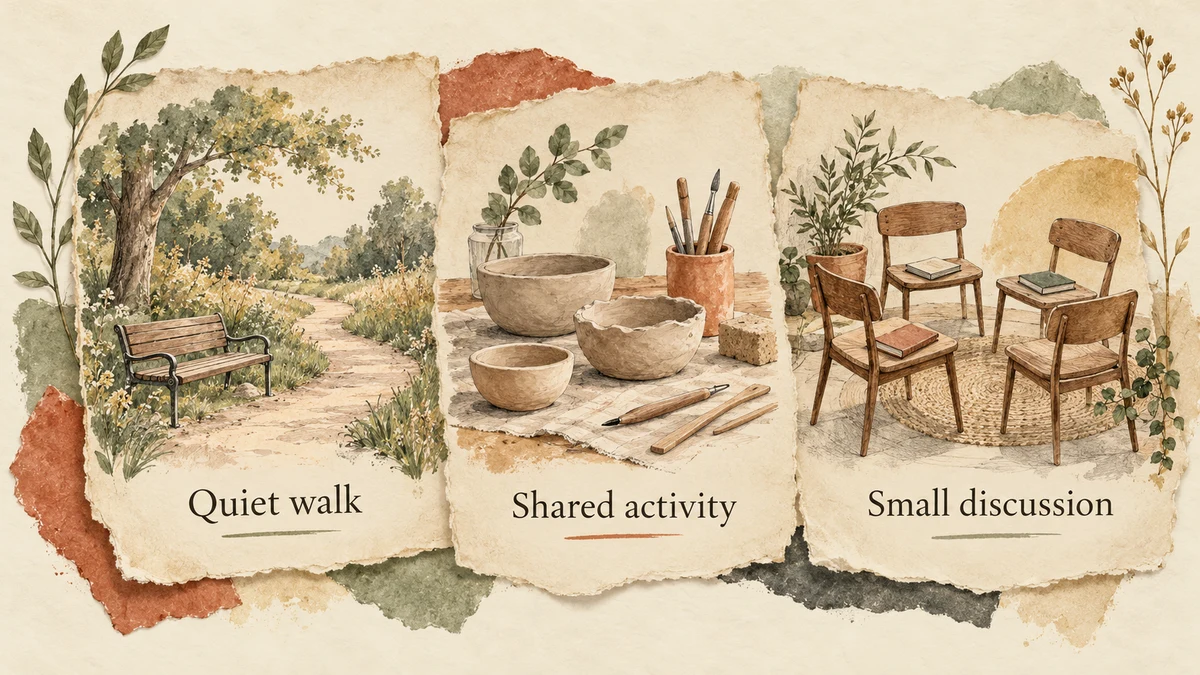
| Format | What may make it workable | What to check |
|---|---|---|
| A walk or museum visit | You can talk alongside something you both notice | Pace, seating, transport and whether conversation is welcome |
| A craft, gardening or repair group | A shared task creates natural pauses | Noise, instruction and whether newcomers can join |
| A small book or discussion group | A topic gives conversation some structure | Group size and whether speaking is required |
| An online interest community | You can join around a specific subject | Moderation, privacy and whether you like the style of interaction |
Do not choose a hobby you dislike just because it sounds socially efficient. You need a reason to return even when the first visit produces only a pleasant conversation.
Want to see yours?
Scan your palm for a full interpretive reading.


Place your palms here
Both palms, please: your left on the left, your right on the right.
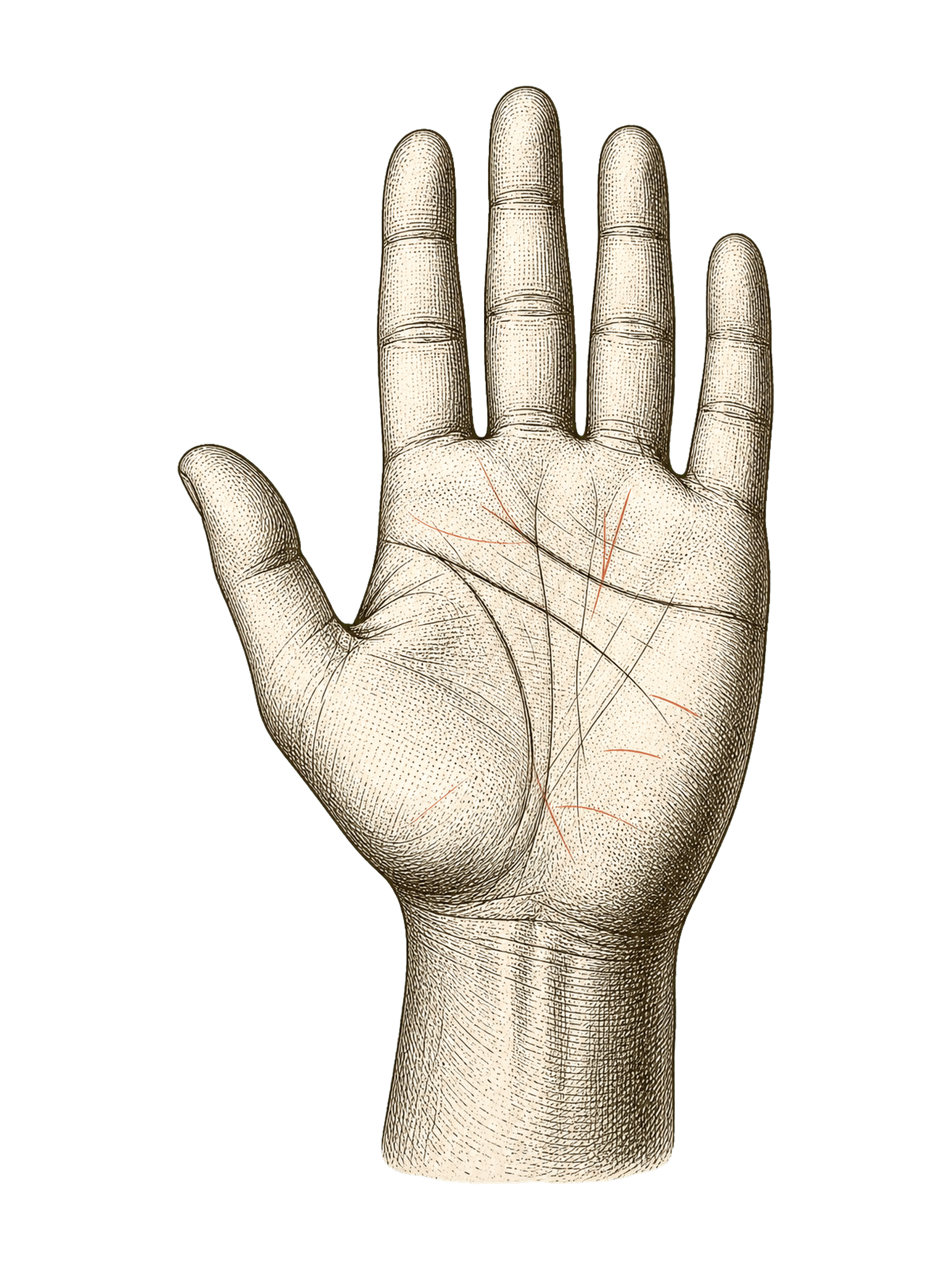
Add a photo

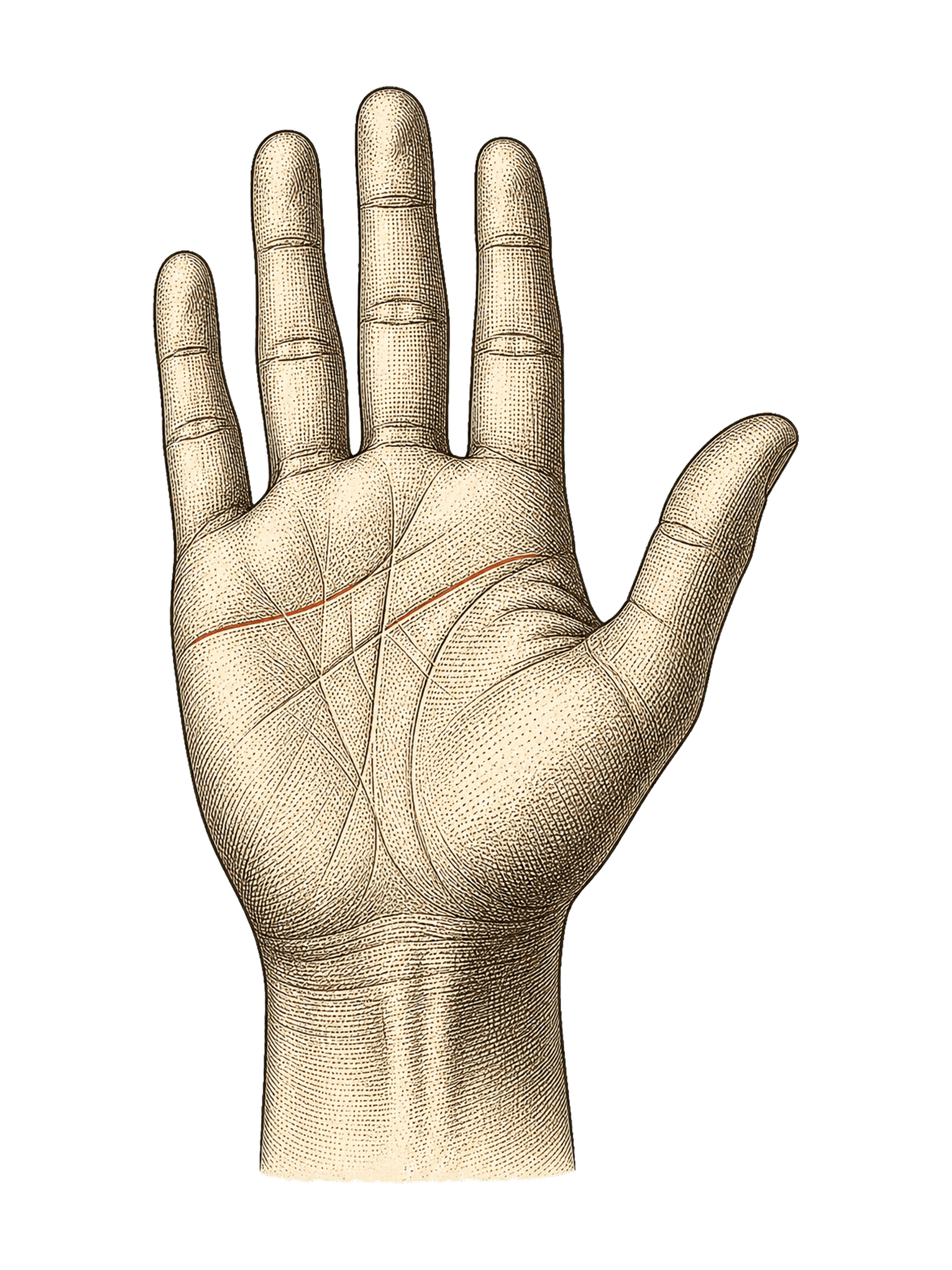
Add a photo
Required · 18 or older
Photo privacy · Refund terms ·Details
- Your photos are sent to our analysis provider to write your reading. This browser may temporarily keep pending photos for sign-in or recovery. Photos sent from your phone are kept temporarily for hand-off. See our privacy policy for details.
- When you press Read my palms, both photos go to our analysis provider for a clarity check before payment. This checks the photos, not the validity of a reading.
- Doesn't sound like you? Email us within 7 days of your first reading for a full refund, if you haven't used a second. If a photo can't be read, that reading is returned.
- Next: your reading uses one of your readings, or a short checkout if you have none.
Photo tips
 Photo tips
Keep your palm flat, fingers slightly apart and lines in focus. Use bright, even light, and photograph each palm the same way.
 ✓ Like this
 ✕ Too dark
 ✕ Fingers cut off
Make the first task smaller than making a friend
For an initial visit, aim to learn someone’s name, exchange a little conversation or find out when the group meets next. These are useful actions you can take without controlling whether a friendship develops. A short, comfortable exchange is not a failed version of a longer one.
You could ask:
- How did you get interested in this?
- Have you been coming here long?
- Do you know whether the group meets next week?
Share something of your own too. A conversation can feel more mutual when it contains both curiosity and a little information about you. You do not need to disclose something deeply personal to make the encounter count.
If the person gives brief answers, let them return to the activity. Try another conversation when there is a natural opening. You are looking for participation from both sides, not practising how to keep someone engaged against their wishes.
Use returning as a bridge
A recurring setting lets you continue a conversation without inventing a new introduction each time. Greet someone you recognise, ask about something they mentioned and see whether they also show interest. Familiarity gives you material to work with, but it does not make a friendship automatic or create an obligation to become close.
Research also gives a reason not to dismiss these lighter contacts. Sandstrom and Dunn’s weak-ties study linked interactions with acquaintances to well-being in its samples. That is not a prescribed social schedule for introverts, nor evidence that every acquaintance should become a close friend.
You can value the person who chats with you at a class even if you never meet outside it. If you want more connection, offer a next step rather than waiting for the relationship to change by itself.
Invite one person into a manageable plan
Choose an invitation that suits the connection you already have: a drink after the group, another visit to a place you discussed or a short walk. State the activity and time so the other person can decide. A modest plan can be sincere; you do not need to promise a whole evening to show interest.
I’ve enjoyed talking after class. Would you like to get coffee before next week’s session?
Or:
I’m going to the weekend exhibition on Sunday morning. Would you like to come? I’ll probably stay for about an hour.
The hour describes your available time, not a rule about how long introverts can socialise. If they cannot make it, accept the answer. If they suggest another plan you would enjoy, consider it. Let mutual interest guide the next step.
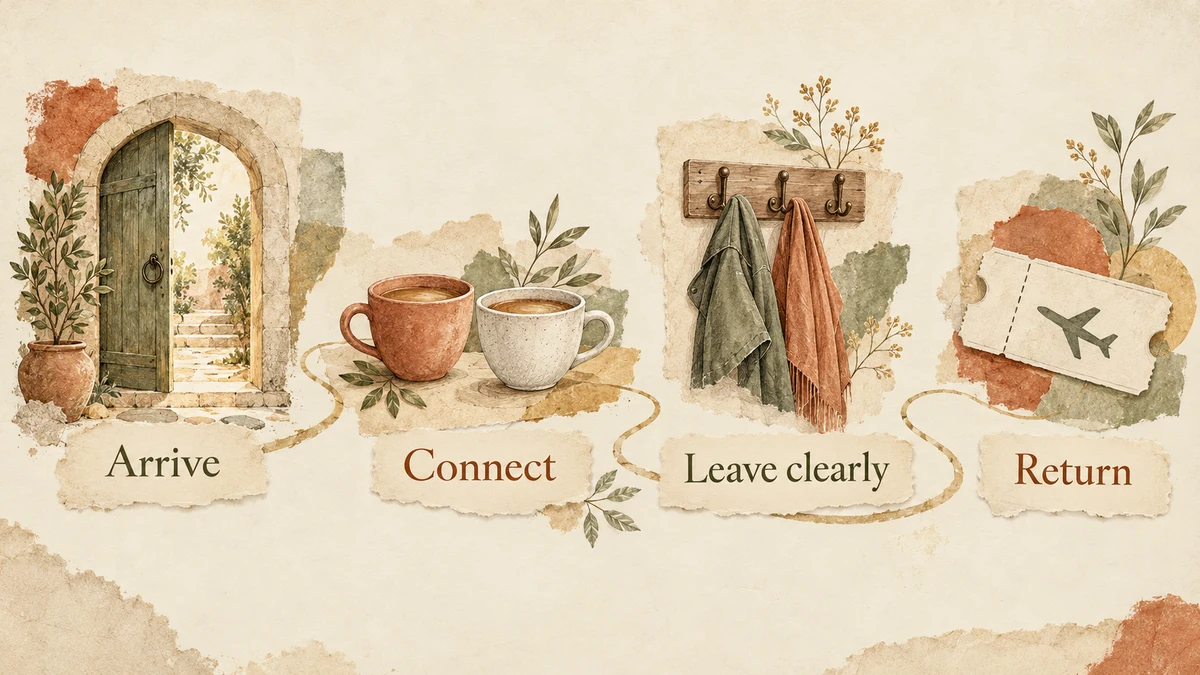
Leave clearly, and make returning possible
If you know you need a finish time, say so before you are exhausted. A clear ending can preserve both your energy and the other person’s understanding of the encounter. You can show that you enjoyed seeing someone while leaving. You do not need to stay until you dislike the activity to prove that you care.
Try:
I’m heading home now, but I enjoyed this. Are you planning to come next time?
Or:
I’d like to see you, but a big evening out won’t work for me this week. Would a quieter lunch suit you?
Give an alternative only when you mean it. Repeatedly agreeing and then disappearing can make an otherwise promising connection hard to maintain. Our friendship reciprocity guide helps you think about attention and initiative without demanding identical habits.
Notice what is getting in the way
Preferring quieter company is different from wanting to participate but feeling unable to because of fear or distress. You do not need to diagnose yourself to notice that distinction. If the main problem is noise or tiredness, change the setting or duration. If persistent distress keeps you from the connections you want, consider qualified support.
There is also no required size for your friendship circle. Our guide to friendship-time estimates explains the limits of treating friendship as a schedule. Choose arrangements that leave both people able to enjoy the relationship.
For conversations that continue, choose from these questions for friends rather than treating openness as a test.
If symbolic self-reflection appeals to you, PalmMingle offers interpretive palm readings. A palm reading cannot establish an introversion score or choose compatible friends. Your preferences become useful when you turn them into a setting, an invitation and a way to return.
Palmistry is an interpretive tradition, not a diagnostic tool. PalmMingle frames palm readings as entertainment and self-reflection, not prediction.