

Make friends at the gym by choosing a moment outside someone's exercise, starting with a brief shared topic and continuing only when they show interest. Classes, arrival areas and conversations after a session can offer a natural opening. Avoid interrupting a set, commenting on bodies or treating a person you regularly see as someone who owes you a chat.
A good first goal is a familiar greeting. You can enjoy being on friendly terms without arranging workouts together or exchanging personal details.
Pick the moment before choosing the words
Look for a moment when conversation will not compete with exercise, instruction or someone's departure. A person between exercises may still be resting, timing a session or concentrating. If you need to ask a practical equipment question, keep it practical; that does not automatically turn the rest of their workout into a social opening.
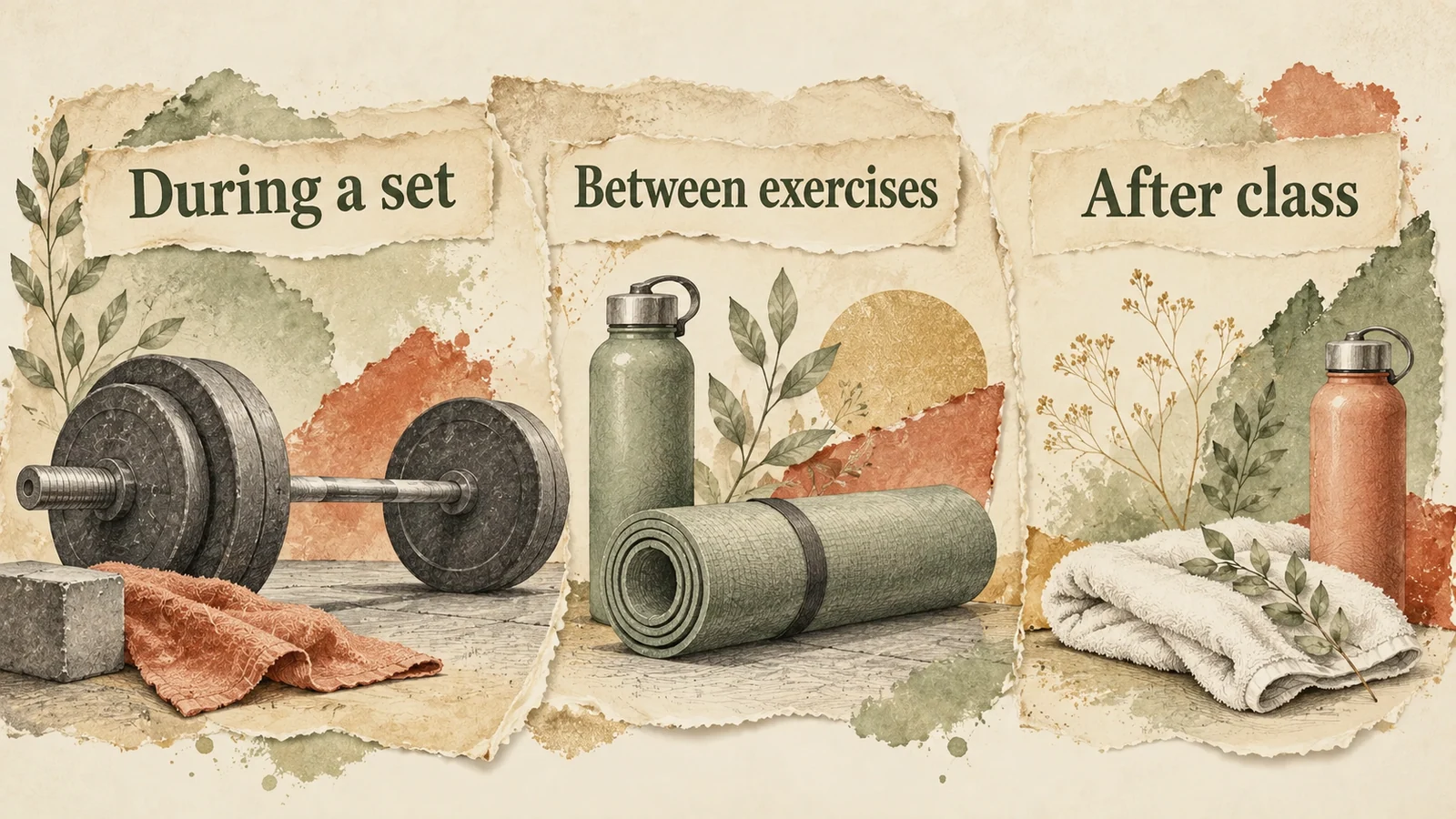
| Situation | What to do | An opening, if appropriate |
|---|---|---|
| They are lifting, balancing or following instructions | Wait; do not distract them | Save the greeting for later |
| You need to know whether equipment is free | Ask one equipment question | “Are you still using this bench?” |
| You are both waiting for class to begin | Offer a brief shared observation | “Have you done this class before?” |
| Class has finished and they are lingering | Comment on the shared session | “That final section caught me out. How did you find it?” |
| They are leaving quickly | Let them leave | “See you next time” is enough |
Keep changing rooms and other private spaces out of your friendship strategy. Do not photograph, film or touch someone as an opener. If a person needs urgent help, respond to that need and involve staff; that is a different situation from making conversation.
Want to see yours?
Scan your palm for a full interpretive reading.

Place your palms here
Both palms, please: your left on the left, your right on the right.
Add a photo

Add a photo
Required · 18 or older
Photo privacy · Refund terms ·Details
- Your photos are sent to our analysis provider to write your reading. This browser may temporarily keep pending photos for sign-in or recovery. Photos sent from your phone are kept temporarily for hand-off. See our privacy policy for details.
- When you press Read my palms, both photos go to our analysis provider for a clarity check before payment. This checks the photos, not the validity of a reading.
- Doesn't sound like you? Email us within 7 days of your first reading for a full refund, if you haven't used a second. If a photo can't be read, that reading is returned.
- Next: your reading uses one of your readings, or a short checkout if you have none.
Photo tips
 Photo tips
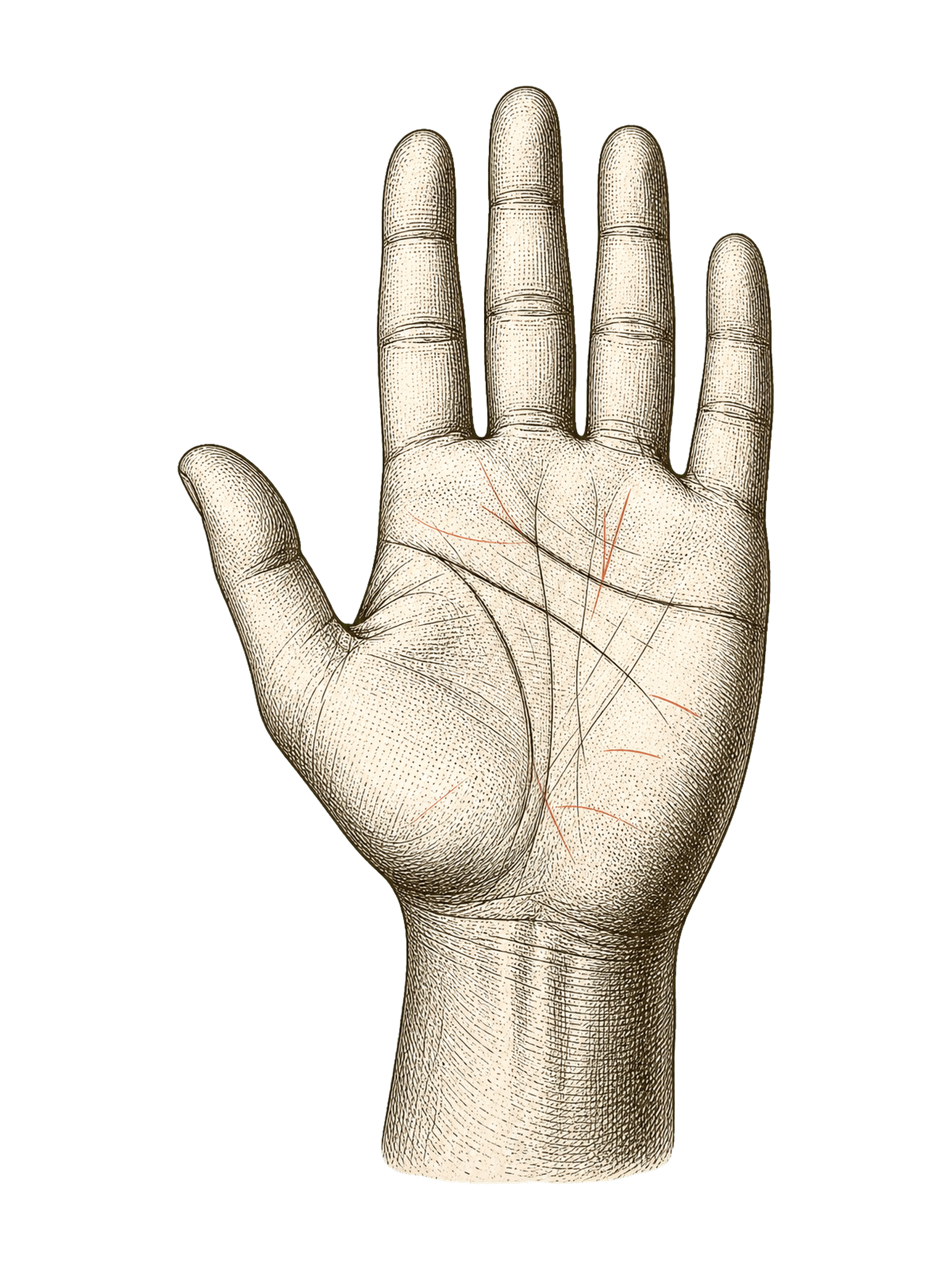
Keep your palm flat, fingers slightly apart and lines in focus. Use bright, even light, and photograph each palm the same way.
 ✓ Like this
 ✕ Too dark
 ✕ Fingers cut off
Start with the session, not their appearance
Use the shared activity to make a small, answerable comment. Questions about a class or facility can work without evaluating someone's body, fitness or skill. Keep praise away from assumptions about weight loss, health or how their body used to look. You do not know what they want noticed or discussed.
Some possible openings:
- Before a class: “I'm new to this session. Is this where we put the mats?”
- At a shared waiting area: “Do you usually come to this class?”
- After a session: “I enjoyed that playlist. Did you recognize the last track?”
- After several friendly encounters: “I realize we keep saying hello without names. I'm Alex.”
Ask staff about technique or equipment if you need instruction. Offering unsolicited coaching can put someone in the position of accepting help they did not request or explaining why they do not want it. Friendship does not require appointing yourself their trainer.
The YMCA of Greater Toronto's gym etiquette guidance emphasizes a shared space: keep speaking volume down, avoid holding up equipment and leave the area clean. Treat those responsibilities as part of being a considerate member, whether a conversation happens or not.
Tell the difference between a reply and an invitation to continue
A polite reply answers your question; it does not necessarily invite another one. Look for a mutual exchange rather than a single smile, removed earbud or friendly word. If they offer detail, ask something back or choose to continue, you have more to build on. If they return to the session, let them.
You: “Have you tried this instructor's other class?”
Them: “No, just this one.”
You: “Same here. Have a good session.”
That can be the whole exchange. There is no need to explain why you asked or follow them to another machine.
If they instead say, “Yes, the Saturday class is similar. Are you thinking of going?” you can answer and ask about the schedule. You are responding to their contribution rather than forcing a second opening.
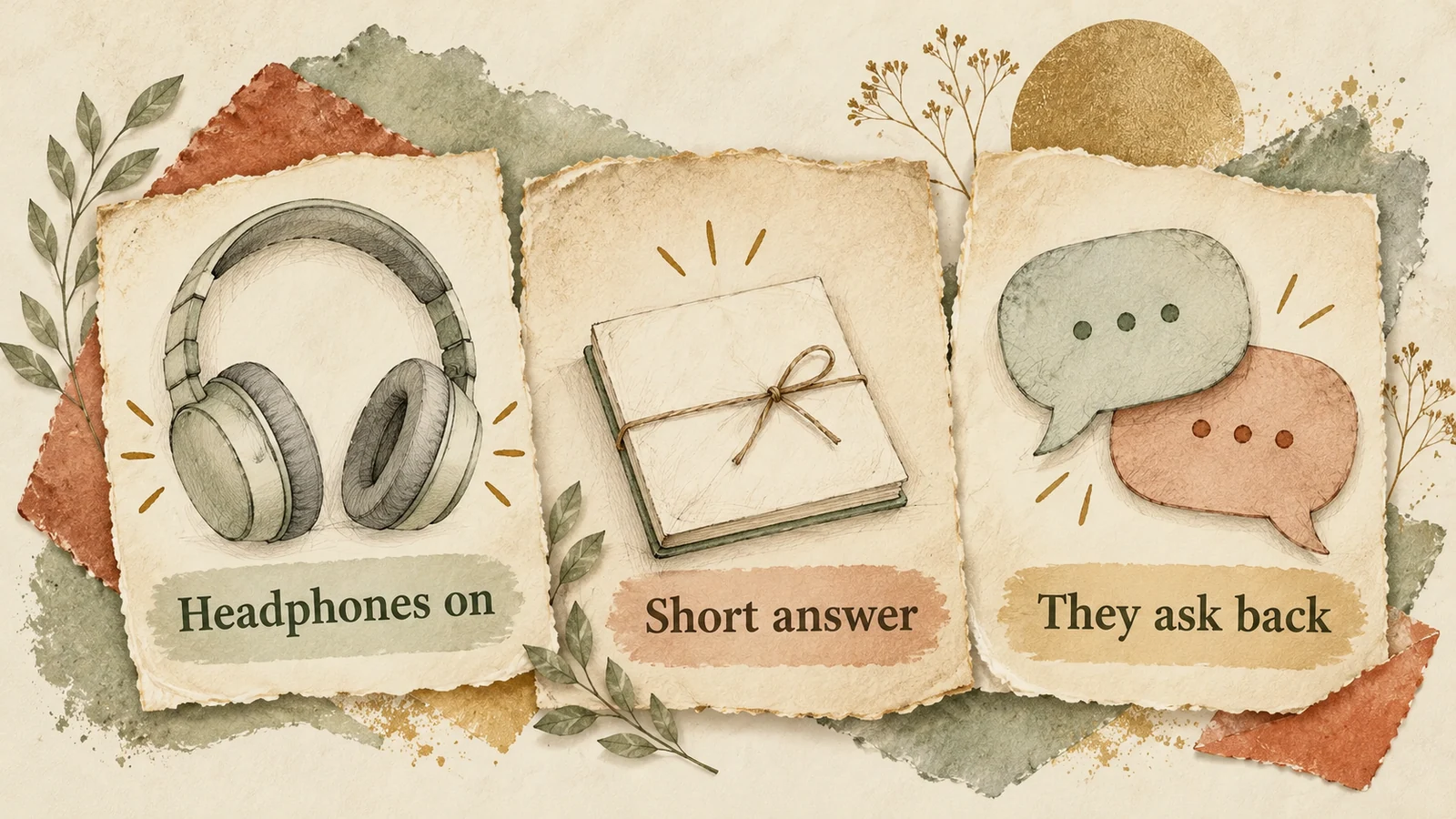
Headphones are a reason to be cautious about a social approach, not a puzzle to defeat. A necessary equipment question can be brief. Repeatedly trying to get someone's attention after they return to their headphones is a reason to stop, not to try a more interesting topic. Practice listening to the response instead of rushing into your next line.
Let familiar greetings become a conversation
When you meet again naturally, greet the person and leave space for them to choose whether to talk. Regular attendance gives you opportunities, but it does not create a deadline for friendship. You do not need to alter your routine to track someone else's attendance, discover their schedule or engineer repeated encounters.
Here is a possible progression across visits:
After class: “I'm Alex, by the way.”
Another day: “Hi, Sam. How did you find today's class?”
After a mutual chat: “You mentioned the weekend walking group. Have you been recently?”
The useful detail is that each step follows something the other person chose to share. Do not collect information about them from overheard conversations or social accounts and present it as familiarity.
If names are the sticking point, how to remember names gives a simple recall sequence and an honest way to ask again. You can also reintroduce yourself; they may appreciate the reminder.
Make the next invitation small and clearly optional
After mutual conversation, suggest a plan you can describe plainly: a coffee after class, attending an open group activity or talking at the next session. Separate friendship from access to equipment, a spot in a class or any help you have offered. The other person should be able to decline without losing something they need.
For example: “I'm getting a coffee at the place next door after class. Would you like to join?” If they cannot, “No problem; see you around” is a complete answer. If they suggest another time, you can discuss it. If they repeatedly decline without another suggestion, ease off.
For a training plan, be more specific about expectations before agreeing: “Would you like to do the warm-up together, then follow our own programs?” A friendly conversation does not establish that your goals, ability, pace or preferred session length match. Do not offer spotting or physical assistance beyond your competence; ask staff when appropriate.
The guide to asking someone to hang out covers wording beyond the gym. Making friends as an introvert offers other settings if a workout is where you prefer to keep to yourself.
Keep the gym comfortable if the friendship does not develop
If someone is not interested in further contact, return to ordinary courtesy. Avoid demanding a reason, recruiting other members to persuade them or repeatedly approaching them at the shared facility. You can make a considerate approach and still receive a no; both people retain their reason for being there.
Likewise, if you realize you prefer exercising alone, you can say: “I'm keeping this session quiet, but it's good to see you.” You do not have to keep up a conversation because you started one last week.
PalmMingle's AI palm reading offers optional entertainment and reflection if that interests you. It cannot identify who at the gym wants friendship or predict a connection. A brief invitation, a mutual reply and respect for the shared space give you the relevant information.
Palmistry is an interpretive tradition, not a diagnostic tool. PalmMingle frames palm readings as entertainment and self-reflection, not prediction.