

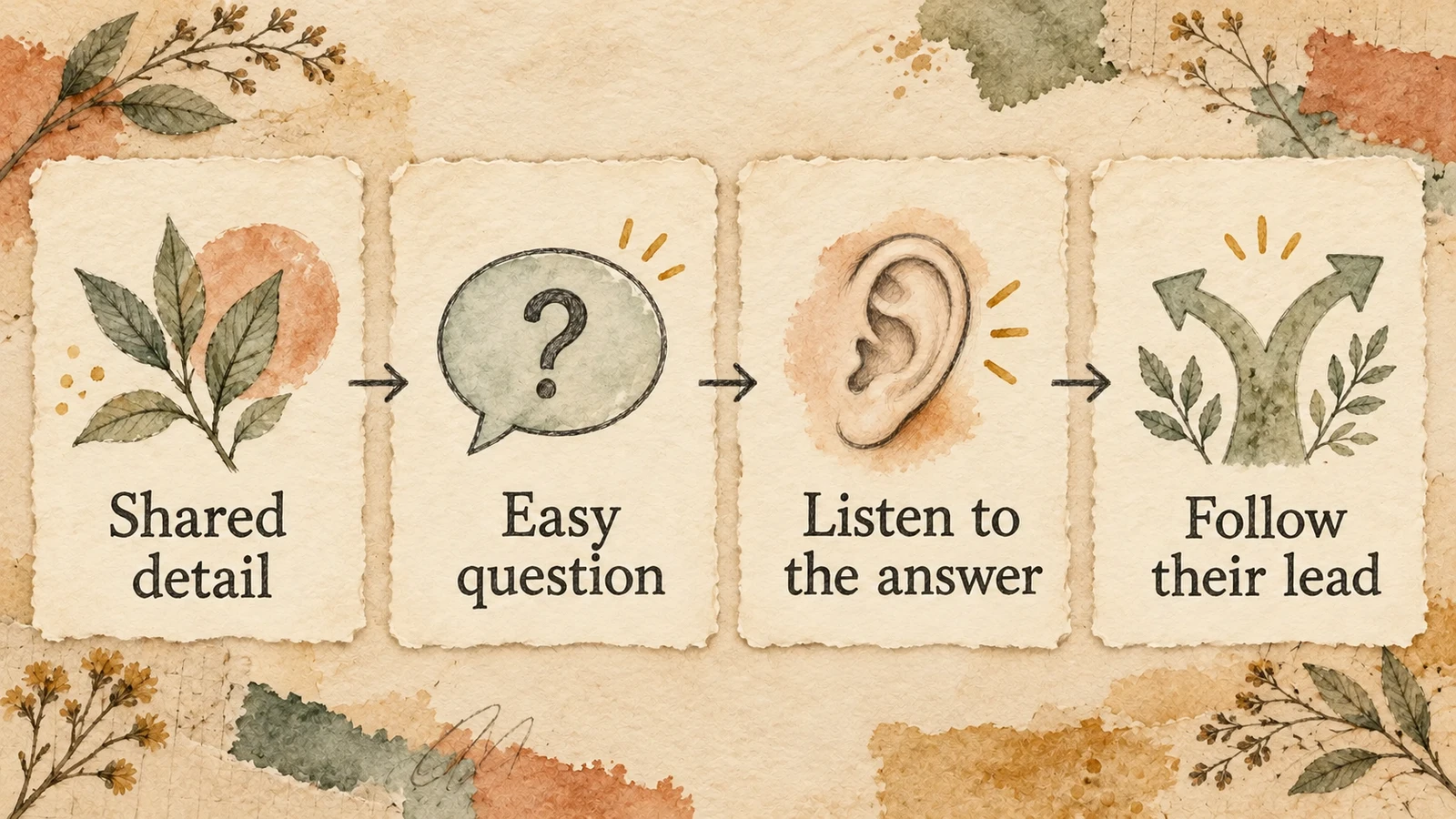
To make small talk, notice something you share, ask an easy question and follow the answer before changing topics. Offer a little about yourself too, so the conversation does not feel like an interview. If the other person gives short answers or seems occupied, let the exchange end warmly.
For example: “Have you been to this class before?” If they say yes, ask what they enjoy about it. If they say no, you can say you are new too. The second turn does not need to be brilliant; it needs to fit the answer you actually received.
Use the setting as a starting point
Begin with something both people can see or understand without disclosing private information. A class, event, shared task, book display or practical choice gives the conversation a place to start. Avoid assuming someone's job, family, income, nationality or relationship status from their appearance or from the setting.
The British Council's guide to small talk supplies everyday topics and openers. Treat such lists as possibilities rather than a universal script: what feels comfortable depends on the person and context.
Try “What brought you to this event?” rather than “What do you do for work?” when the latter is not relevant. At a plant swap, “Have you grown this one before?” is both specific and easy to answer without a personal history.

Want to see yours?
Scan your palm for a full interpretive reading.


Place your palms here
Both palms, please: your left on the left, your right on the right.
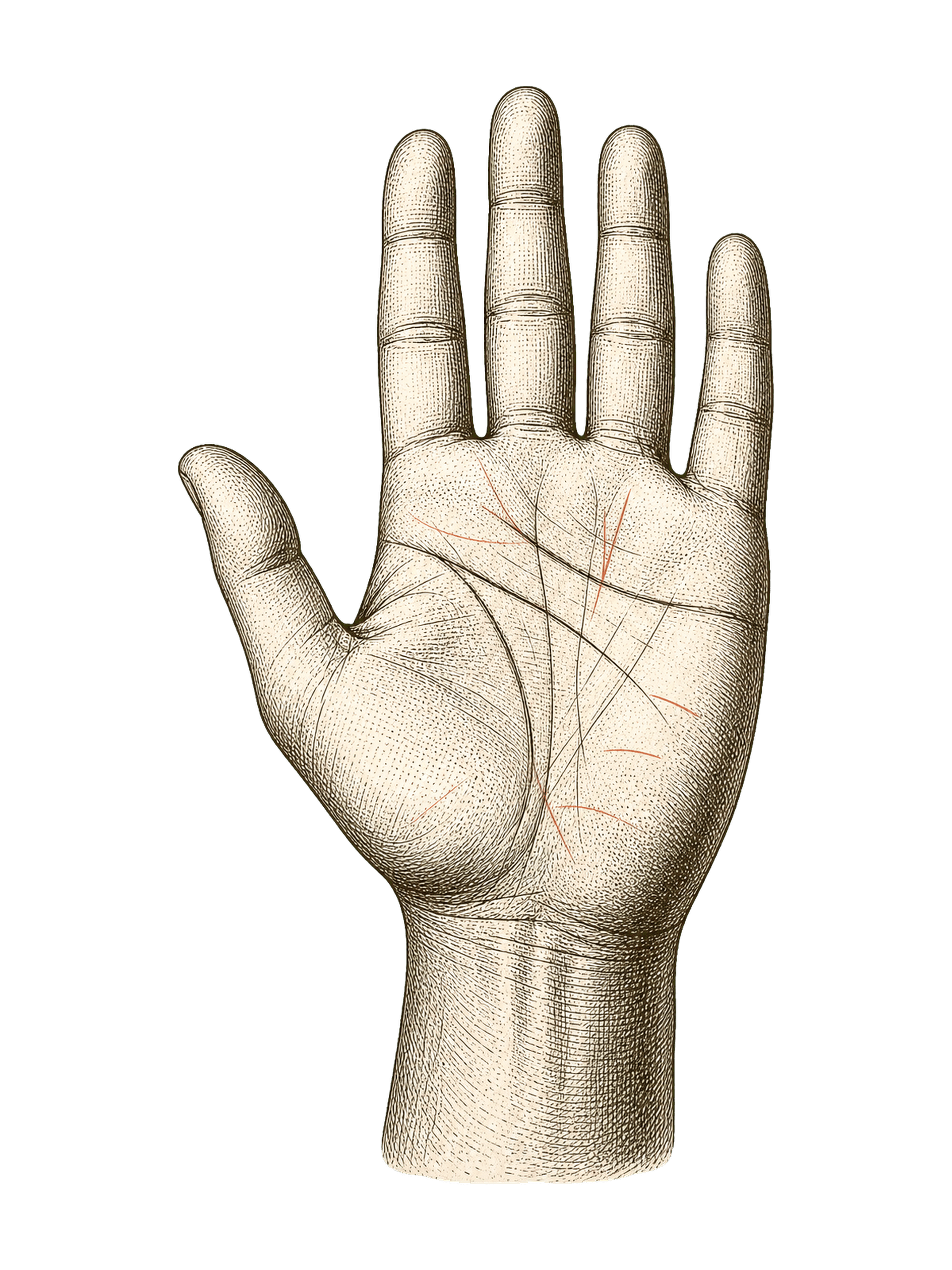
Add a photo

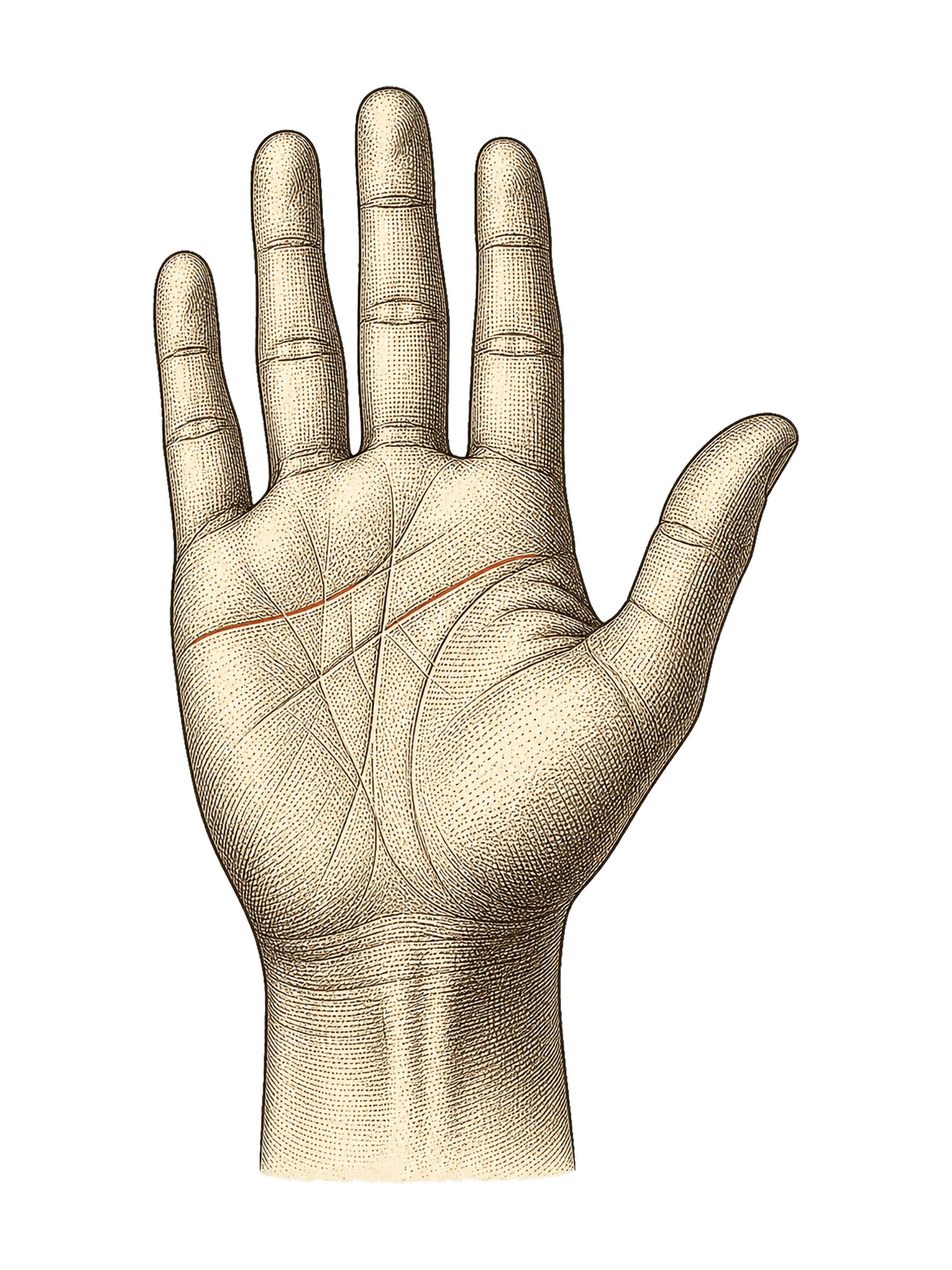
Add a photo
Required · 18 or older
Photo privacy · Refund terms ·Details
- Your photos are sent to our analysis provider to write your reading. This browser may temporarily keep pending photos for sign-in or recovery. Photos sent from your phone are kept temporarily for hand-off. See our privacy policy for details.
- When you press Read my palms, both photos go to our analysis provider for a clarity check before payment. This checks the photos, not the validity of a reading.
- Doesn't sound like you? Email us within 7 days of your first reading for a full refund, if you haven't used a second. If a photo can't be read, that reading is returned.
- Next: your reading uses one of your readings, or a short checkout if you have none.
Photo tips
 Photo tips
Keep your palm flat, fingers slightly apart and lines in focus. Use bright, even light, and photograph each palm the same way.
 ✓ Like this
 ✕ Too dark
 ✕ Fingers cut off
Follow the answer instead of searching for the next question
Pick one detail from the reply and ask about that, or add a related detail of your own. This keeps the conversation connected. You do not have to avoid every pause or introduce a fresh subject whenever a sentence ends. A sequence of unrelated questions can feel like a form being filled in.
Compare:
Disconnected: “Where do you live? What is your job? Do you have siblings? What music do you like?”
Connected: “You said you came for the ceramics session. Have you tried it before?”
If the person mentions enjoying a weekend course, you could ask what they made, what they liked about the format, or share that you have been looking for something similar. Choose one direction. Leave the others available if the conversation goes there.
Try three conversations with different kinds of replies
Let the reply change the path. A long answer gives you material to explore; a brief answer may call for a small contribution from you; a clear sign that someone wants to stop calls for an exit. These examples show the whole exchange rather than supplying openers without a second turn.
When the other person gives you a detail
You: “Have you been to this plant swap before?”
Them: “Yes. Last time I came home with far too many cuttings.”
You: “Which one actually survived?”
Them: “The pothos. Apparently it can tolerate me forgetting it exists.”
You: “That sounds like my level. I brought a spider plant because it is the one thing I've managed to keep going.”
The conversation now has a shared subject and room for both people. You can stay with plants without finding a deeper topic immediately.
When the answer is short but the person seems available
You: “Is this your first session?”
Them: “Yes.”
You: “Mine too. I signed up because I wanted to try something away from a screen.”
Them: “Same. I've been working at home all week.”
You: “What made you pick this class?”
You offered a small piece of yourself before asking another question. If they had stayed with a short answer and turned away, you could simply have said, “Hope you enjoy it.”
When the person is busy
You: “That looks like an interesting book. Have you read the author before?”
Them: “Not yet. Sorry, I'm trying to get this finished before my meeting.”
You: “Of course. I'll let you get back to it.”
That was a successful ending, even though it did not become a longer conversation. Their task does not need to become a judgment about your social ability.
Contribute without taking over
Share something short enough that the other person can respond to it. You can answer the question you just asked, describe why you came, or offer a related experience. The aim is to give them material too, rather than assigning them the entire job of keeping the conversation alive.
For instance, after asking about a class, add “I'm hoping to make something I can actually use at home.” If they ask what you have in mind, you have a natural next turn. If they return to their own project, you can follow that instead.
Avoid turning every detail into a longer story about yourself. A useful check is whether you have left the person an opening: a pause, a question or a connection they can choose to pursue.
Change topics without making the last one a failure
When a subject has run its course, make a small transition rather than panicking about the silence. You can return to the setting, mention something related or ask a broader preference question. You do not need to apologize because neither person has more to say about the weather.
Try “Speaking of the weekend, is there anything local you enjoy doing?” only when it follows the conversation naturally. Or simply say, “Have you tried any of the other sessions here?”
If the subject becomes too personal, step back: “No need to get into that. I was just curious about the event.” Questions are invitations, not a right to an answer. Save more personal topics for a conversation in which both people want them; these questions for friends explicitly leave room to pass.
End while the exchange is still comfortable
Use a simple closing that fits what you are doing next. You can say you are getting a drink, returning to a task or leaving the other person to enjoy the event. Avoid promising future contact merely to soften an ordinary goodbye. A brief pleasant exchange can be complete in itself.
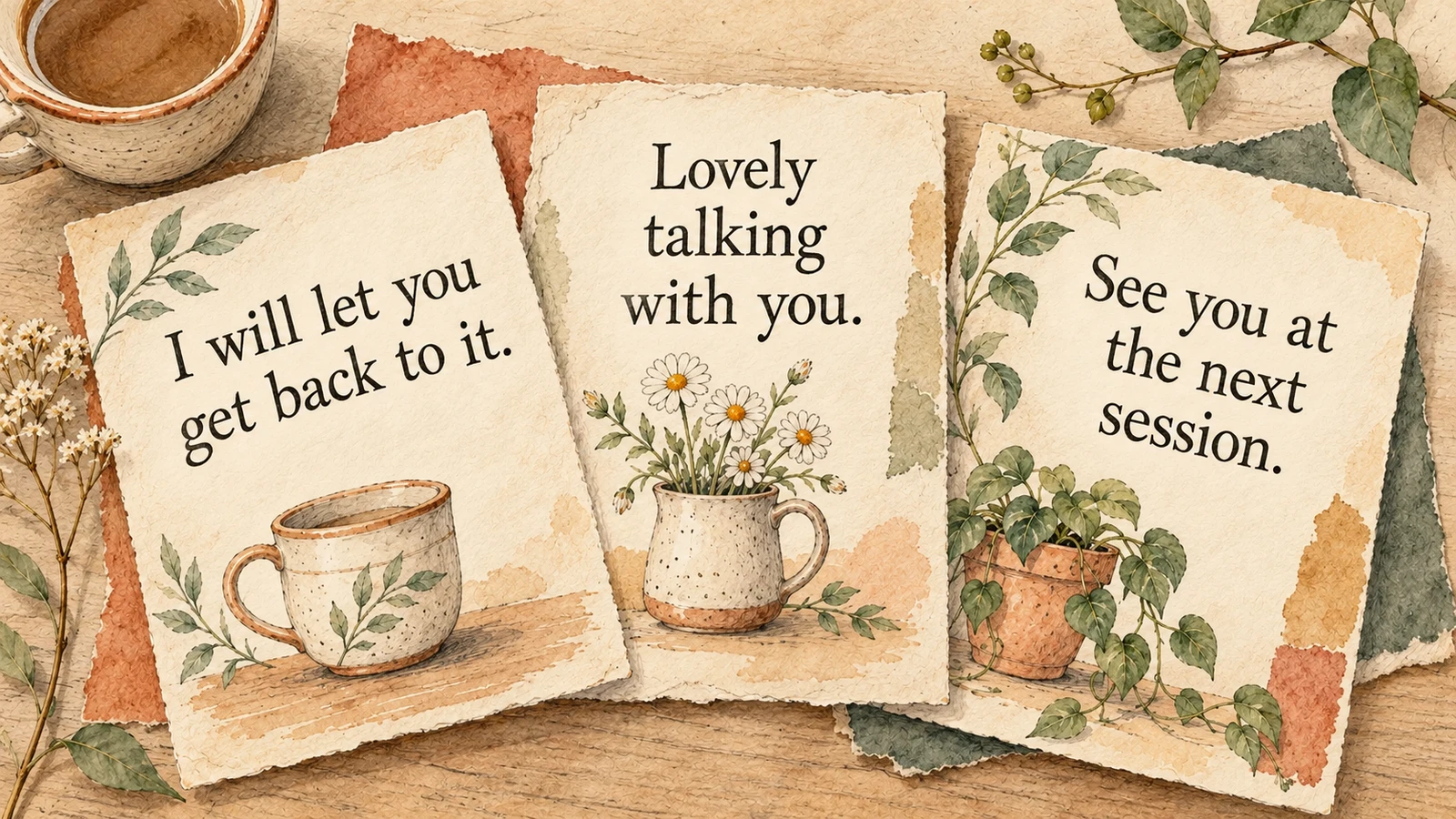
- “Lovely talking with you. I'm going to find my seat.”
- “I'll let you get back to your book.”
- “See you at the next session.”
If you do want another conversation, connect it to something real: “I enjoyed talking about the course. Are you coming next week?” For an actual plan, use how to ask someone to hang out.
Practise one exchange, not a new personality
Choose a low-pressure moment and aim for a greeting, a relevant question and an attentive reply. You can leave after that. Afterwards, notice what the person actually said and whether you respected their interest or lack of it. Avoid grading every pause as evidence that you failed.
For the listening part, see how to be a better listener. If you replay a pleasant exchange and assume the other person disliked it, the liking-gap guide explains a research finding while keeping explicit refusals clear.
PalmMingle's AI palmistry experience can be an optional topic for symbolic self-reflection. It does not measure social skill; small talk develops through actual exchanges, attention and room for the other person to choose.
Palmistry is an interpretive tradition, not a diagnostic tool. PalmMingle frames palm readings as entertainment and self-reflection, not prediction.