

To stop gossiping, notice the private detail or unverified judgment before you pass it on, replace it with another contribution and correct anything you have already spread. You can keep the conversation going without supplying someone else's personal information. Asking for support or reporting harm is a different task from turning an absent person into entertainment.
Start with one sentence you can use in the moment: “I don't actually know what happened, so I shouldn't speculate.” You do not need a speech about everyone else's morals.
Decide what this conversation is trying to do
Separate speculation, support and reporting before deciding whether to speak. The useful questions are who needs the information, why they need it and how much detail serves that purpose. “Never discuss an absent person” is too broad: it would also stop people asking for advice, arranging care or describing mistreatment to someone who can help.
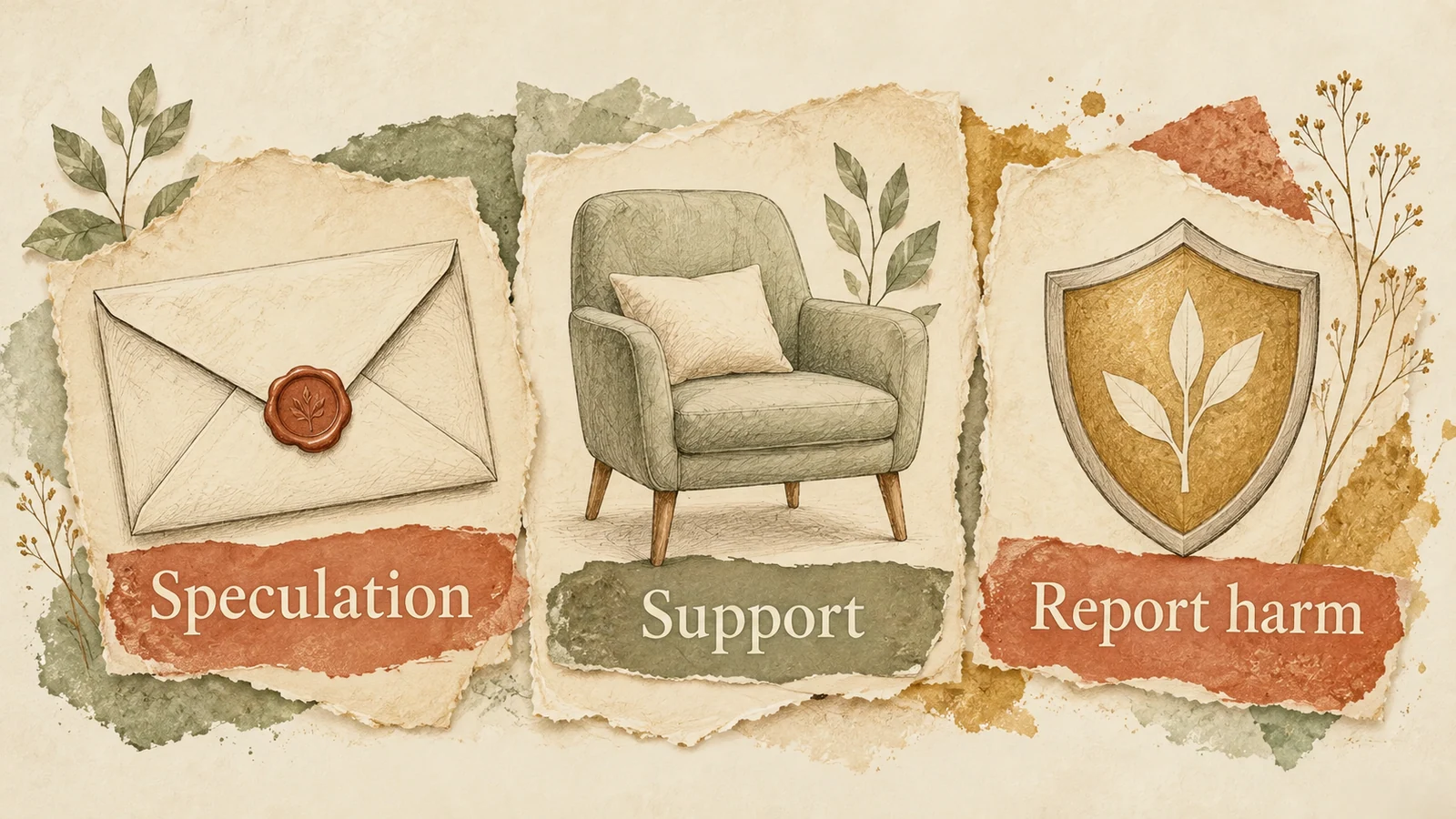
| Purpose | What it sounds like | A useful limit |
|---|---|---|
| Speculation or entertainment | “I bet I know why they split up” | Do not turn a guess into a fact or add private details |
| Asking for support | “A conversation upset me; can you help me decide what to say?” | Choose a suitable listener and focus on your experience |
| Practical coordination | “They asked me to tell you the plan has changed” | Share what the person authorized |
| Reporting harm | “This happened, and I need help addressing it” | Use an appropriate support or reporting route; preserve relevant facts |
Research does not use “gossip” only to mean malicious talk. In a study of gossip and reputation in everyday life, participants reported exchanges of information about someone absent or unaware of the exchange. That broad research category is not a verdict that every conversation about another person is harmful.
Your practical target can be narrower: stop unnecessary private disclosure, humiliating commentary and presenting unverified claims as knowledge. That leaves room to ask for help.
Want to see yours?
Scan your palm for a full interpretive reading.


Place your palms here
Both palms, please: your left on the left, your right on the right.
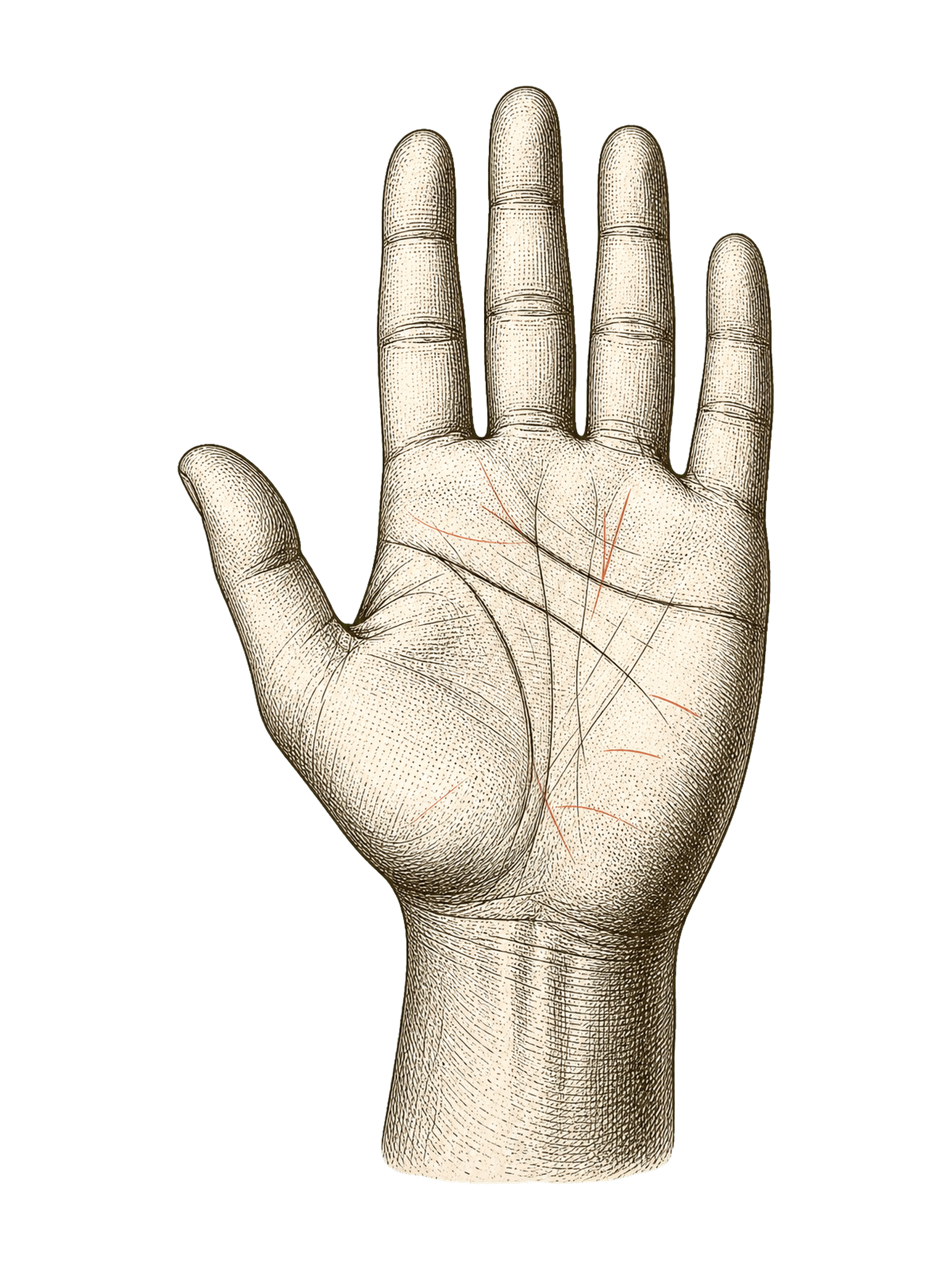
Add a photo

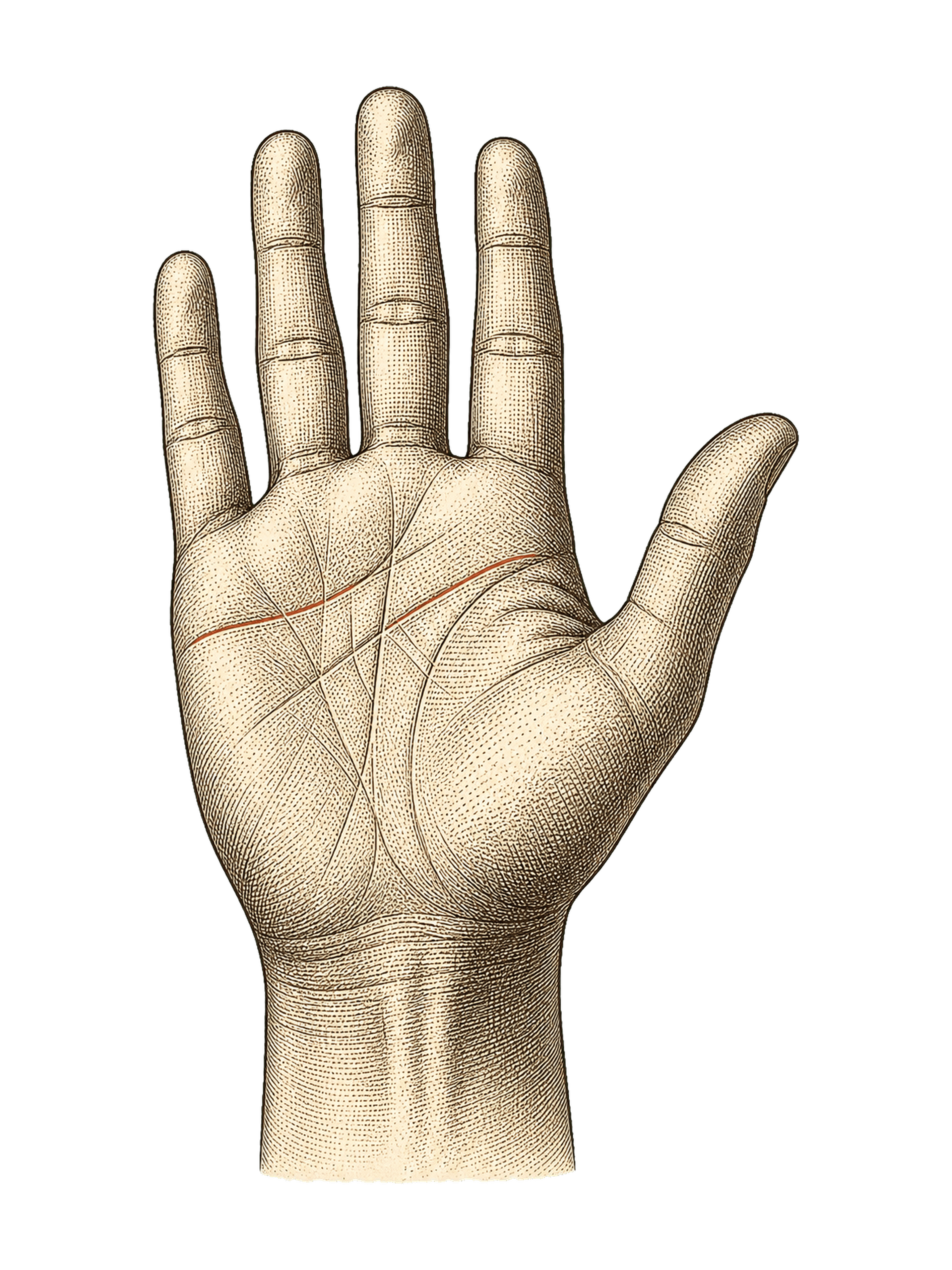
Add a photo
Required · 18 or older
Photo privacy · Refund terms ·Details
- Your photos are sent to our analysis provider to write your reading. This browser may temporarily keep pending photos for sign-in or recovery. Photos sent from your phone are kept temporarily for hand-off. See our privacy policy for details.
- When you press Read my palms, both photos go to our analysis provider for a clarity check before payment. This checks the photos, not the validity of a reading.
- Doesn't sound like you? Email us within 7 days of your first reading for a full refund, if you haven't used a second. If a photo can't be read, that reading is returned.
- Next: your reading uses one of your readings, or a short checkout if you have none.
Photo tips
 Photo tips
Keep your palm flat, fingers slightly apart and lines in focus. Use bright, even light, and photograph each palm the same way.
 ✓ Like this
 ✕ Too dark
 ✕ Fingers cut off
Replace the contribution, rather than just forbidding yourself to speak
When you catch yourself reaching for gossip, offer something else that serves the social moment. You might ask about a shared plan, discuss something you actually experienced or invite another person's news. A replacement gives you somewhere to go in the conversation; a private instruction to “stop being awful” does not supply the next sentence.
Try these switches:
- From “Have you heard why they left?” to “I don't know their reasons. How is your own project going?”
- From a private screenshot to “I had a difficult exchange and want help writing my reply.”
- From mocking an absent friend's outfit to “What are we thinking of wearing on Saturday?”
- From repeating a rumor to “I haven't checked that, so I'm not going to pass it on.”
Do not replace one person's private story with another person's. Choose a topic you can own. If you go blank, keep a few ordinary subjects in mind: something you watched, a decision about a shared event, a hobby or a question about the person present. Our guide to making small talk offers ways to start from the actual setting.
Change direction without turning the group into your audience
You can leave a gossiping exchange without publicly diagnosing the people in it. Name your own choice, decline to contribute and offer a different direction if you want one. If the group continues, you can stop participating or leave. You do not need agreement from everyone before changing what you do.
Here is a possible exchange:
Friend: “Why do you think Morgan wasn't invited? I heard something happened.”
You: “I don't know, and I don't want to guess about them.”
Friend: “Come on, what's your theory?”
You: “No theory from me. Are we still choosing somewhere for dinner?”
If the reply is “You're no fun anymore,” you can keep it short: “I'm happy to talk. I'm just leaving their private life out of it.” You have stated the limit without asking the group to declare you the better person. For other situations, see ways to state a limit on your own participation.
Sometimes you are the person who introduced the subject. Then own it: “I brought that up, but I shouldn't have. Let's leave it there.” Do not pretend you merely overheard a conversation you helped create.
Correct a group-chat rumor where it appeared
When you have posted an unverified claim, correct the factual problem for the people who received it. Make the correction clear, avoid restating unnecessary private details and ask people not to forward it. Deleting your own message may be useful, but it does not tell recipients that the claim was wrong or unsupported.
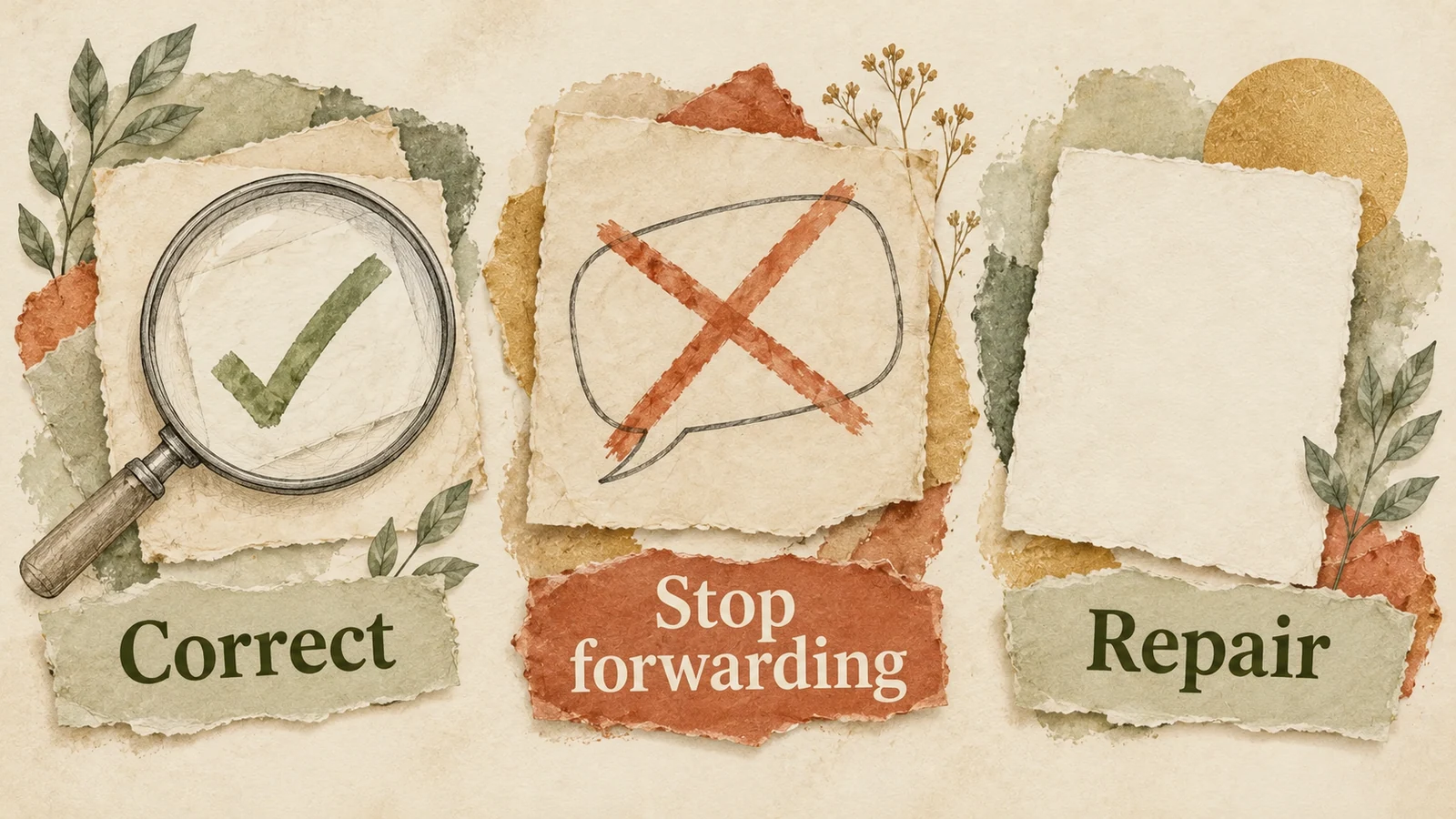
For an unsupported claim: “I passed on something I hadn't verified. I don't know whether it is true, and I shouldn't have stated it as fact. Please don't forward my message.”
For a known error: “My message about the cancellation was wrong. The organizer has confirmed the event is still happening. Please use their update.” Link to an appropriate public correction when one exists, rather than creating another chain of hearsay.
For a private disclosure: “That information wasn't mine to share. Please don't circulate it.” You cannot promise that a correction will erase what people remember or retrieve every copy. Be honest about what you can do now.
Apologize to the person affected without making them comfort you
A repair should identify your action, acknowledge its effect and state what you have done to limit further spread. Avoid excuses about how interesting the story was or how everybody else was talking. The person affected can decide how they feel about you afterwards; the apology is not a request for immediate reassurance.
For example: “I told two people about something you shared privately. I shouldn't have. I've asked them not to pass it on, and I won't repeat it. I understand if you want less contact with me.” Only name the number of recipients if you actually know it; do not minimize an uncertain audience.
If the detail has spread widely or caused practical harm, ask whether there is a useful corrective action you can take without making the person manage your guilt. Do not promise an outcome you cannot control. How to apologize to a friend gives more examples of words paired with repair.
Keep support available while changing the habit
You are allowed to describe your own difficult experiences to a suitable person. Choosing a trusted listener, explaining what you need and limiting irrelevant details can distinguish that conversation from circulating a story for entertainment. You do not need the person who mistreated you to approve your request for help.
If you are unsure, ask: “Am I trying to make a decision, obtain support or protect someone, or am I trying to keep attention on this story?” The answer can guide the next step. For a safety concern, seek appropriate help rather than staying silent to protect a no-gossip rule.
At the next gathering, practice one replacement and one correction. You can be interested, funny and engaged without bringing someone else's private life as your contribution.
If you enjoy symbolic reflection, PalmMingle's AI palm reading offers an optional interpretive experience. It does not determine whether you are trustworthy or repair a confidence you have broken. That work lives in what you choose to share and what you do after a mistake.
Palmistry is an interpretive tradition, not a diagnostic tool. PalmMingle frames palm readings as entertainment and self-reflection, not prediction.