

To tell a friend they hurt you, describe one specific event, explain its impact on you and ask for the change you want. Choose a private moment and leave room for their account. You do not need to prove that they intended harm before saying something hurt; you also do not need to decide their entire character before starting the conversation.
You could begin:
Can we talk about yesterday? When you joked about my breakup in front of everyone, I felt exposed. I’d asked to keep it private. Please don’t bring it up with the group again.
That opening gives your friend something identifiable to respond to. It is clearer than You always make me feel awful, and it does not require them to guess what happened.
Decide what you want the conversation to change
Before raising the issue, name the outcome you would find useful. You might want information kept private, a joke to stop, a misunderstanding clarified or a commitment handled differently. An apology may matter too, but asking only for an apology can leave the practical problem untouched. Decide what you would need after the words.
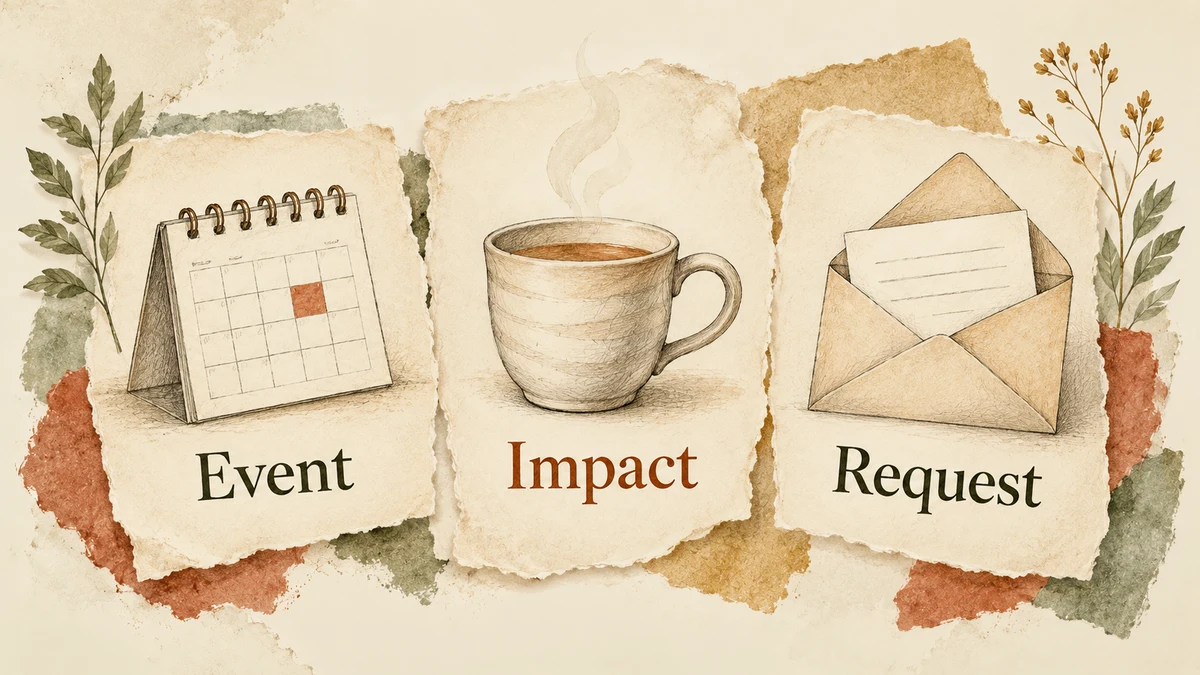
Write three short notes for yourself:
- Event: what was said or done, as specifically as you can remember.
- Impact: what it meant or changed for you, without claiming to know their motive.
- Request: the action you would like now or next time.
If the event itself is uncertain, ask about it before treating your interpretation as settled. I thought we had agreed to meet; did you understand it differently? opens a different conversation from You deliberately stood me up.
Want to see yours?
Scan your palm for a full interpretive reading.

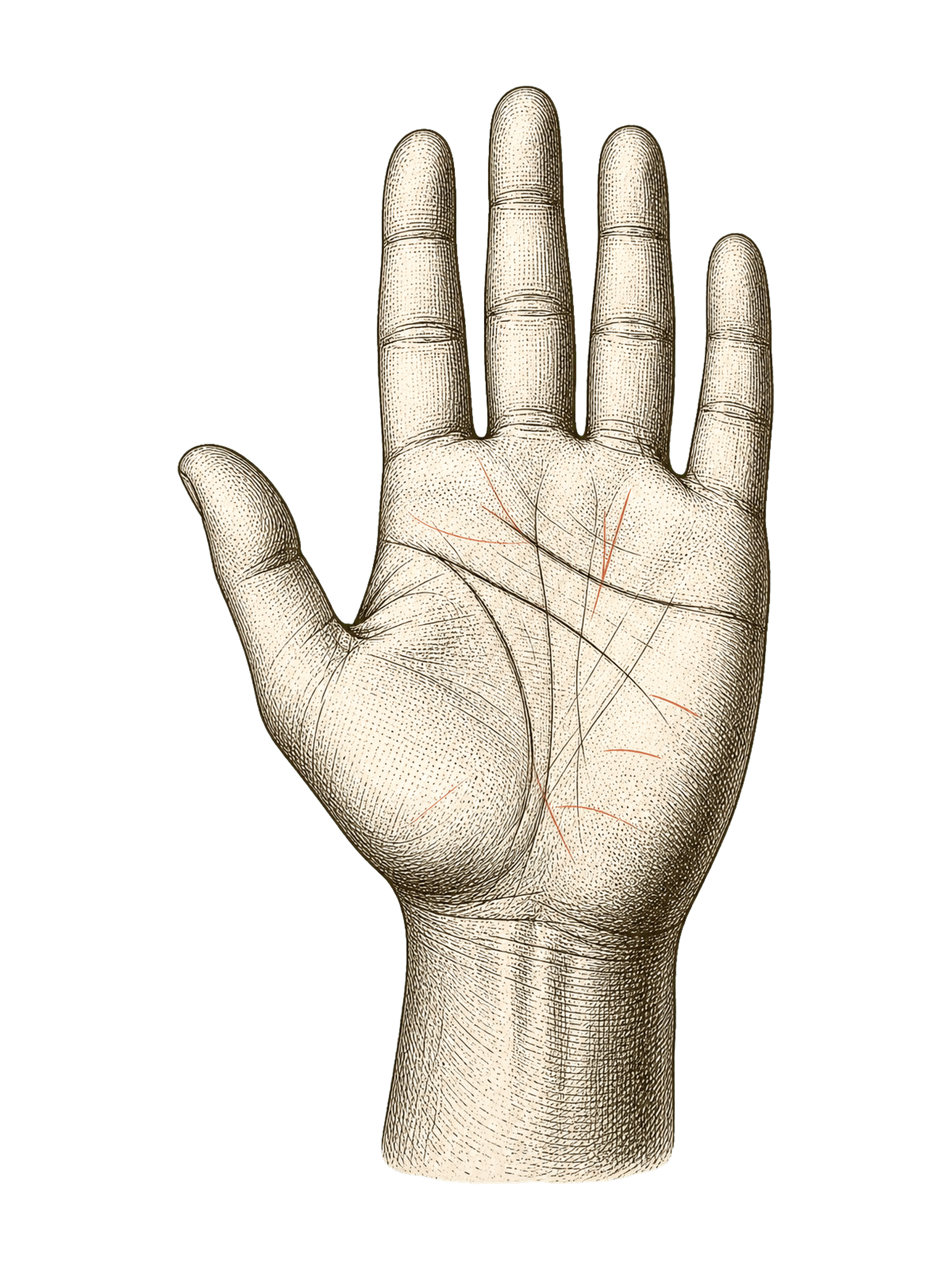
Place your palms here
Both palms, please: your left on the left, your right on the right.
Add a photo

Add a photo
Required · 18 or older
Photo privacy · Refund terms ·Details
- Your photos are sent to our analysis provider to write your reading. This browser may temporarily keep pending photos for sign-in or recovery. Photos sent from your phone are kept temporarily for hand-off. See our privacy policy for details.
- When you press Read my palms, both photos go to our analysis provider for a clarity check before payment. This checks the photos, not the validity of a reading.
- Doesn't sound like you? Email us within 7 days of your first reading for a full refund, if you haven't used a second. If a photo can't be read, that reading is returned.
- Next: your reading uses one of your readings, or a short checkout if you have none.
Photo tips
 Photo tips
Keep your palm flat, fingers slightly apart and lines in focus. Use bright, even light, and photograph each palm the same way.
 ✓ Like this
 ✕ Too dark
 ✕ Fingers cut off
Choose privacy, timing and a manageable channel
A private conversation gives both people room to respond without an audience. Ask whether they have time rather than launching into a serious issue as they leave for work. A message can help you be precise, while a call can make clarification easier. Choose what suits the situation and your ability to speak safely.
An opening text might be:
Something from Saturday is still bothering me. I’d like to explain it rather than leave you guessing. Would you be open to talking tomorrow?
You can also put the issue in the message if arranging a separate conversation would create unnecessary suspense. Avoid sending a dramatic we need to talk and then withholding all context.
If the person has intimidated or threatened you, you are not obliged to arrange a confrontation. Distance, support and a brief written limit may be more appropriate than an in-person discussion.
Use words that identify the problem
Direct language can be considerate. Mayo Clinic’s assertiveness guidance recommends respectful communication and simple, specific requests. You can apply that approach without expecting a formula to control your friend’s reaction. Say what happened and what you need, rather than hiding an accusation inside a sentence that begins with I feel.
| Situation | A possible opening |
|---|---|
| A joke about a private subject | When you told that story at dinner, I felt exposed. Please ask me before sharing personal things about me. |
| Being interrupted repeatedly | I wanted to finish explaining what happened, but I couldn’t get to the end. Could you let me finish before responding? |
| A cancelled commitment | I kept that evening free and found out at the last minute. Please let me know as soon as you realise a plan won’t work. |
| An invitation you thought included you | I thought I was part of the plan and felt hurt when it went ahead without me. Can you help me understand what happened? |
I feel that you are selfish is still a judgement about them. I felt let down when the plan changed without a message identifies an experience you can discuss.
Listen without abandoning your point
Your friend may remember something differently or reveal context you did not have. Listen to that information, then decide whether it changes your understanding. You can acknowledge an explanation while still asking for different behaviour. A lack of harmful intent does not automatically resolve the impact, and feeling hurt does not make every interpretation accurate.
If they say I didn’t mean it that way:
I hear that. I’m explaining how it landed, and I’d still like that topic kept private.
If they disagree about what happened:
We remember that part differently. Can we at least agree on how to handle it next time?
If they raise something you did that hurt them, make room to discuss it without losing the current issue. You might agree to finish this point and then hear theirs. Gottman’s Four Horsemen in friendship explains one communication lens without turning it into a friendship diagnosis.
Let the response inform your next decision
An apology, a misunderstanding, defensiveness and repeated ridicule need different responses. You do not need to decide the future of the friendship in one conversation. Look for whether your friend can engage with the particular issue and whether the agreed change happens afterwards. A warm conversation and changed conduct are different forms of evidence.
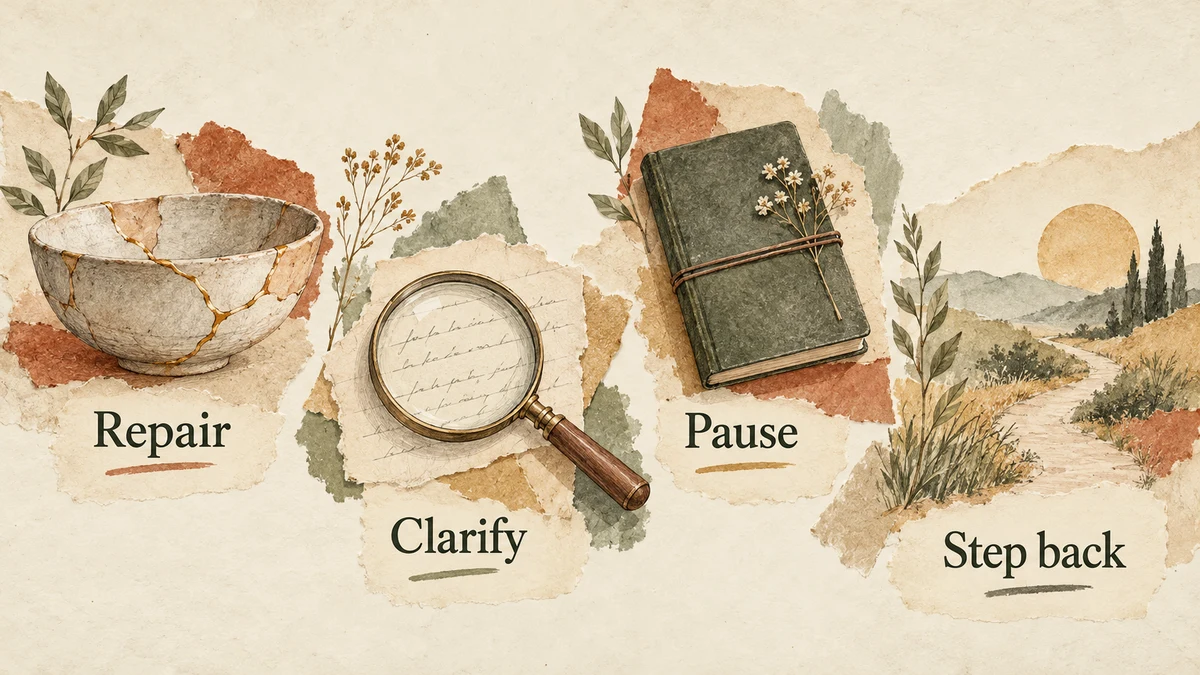
- They acknowledge it: discuss the next step and allow the repair to happen.
- They misunderstood: clarify the arrangement and check that you mean the same thing now.
- The conversation escalates: pause it. Offer another time only if you want to continue.
- They mock you or keep repeating the behaviour: set a limit on your participation or step back.
You do not have to make your friend agree that your feelings are correct before deciding what you will share, accept or attend. Our guide to interactions that feel draining can help you examine the pattern without guessing at a diagnosis.
If the hurt concerns a broader imbalance, friendship reciprocity helps you name the contribution you want to discuss.
PalmMingle’s interpretive palm readings offer symbolic reflection, not evidence about another person’s motives. For this conversation, your specific example and a request they can understand will do more work than a label.
Palmistry is an interpretive tradition, not a diagnostic tool. PalmMingle frames palm readings as entertainment and self-reflection, not prediction.