

Long distance friendships need a workable way to share everyday life, make time for fuller conversations and reconnect after a lapse. Daily texting is optional; an arrangement both people can sustain matters more than a demanding contact rule. Agree on what a delayed reply means, how to arrange a call and what to do when one of you cannot make it.
Try this opening:
I miss knowing the ordinary details of your week. Would you prefer occasional voice notes, a planned call, or something we can do together from different places?
Ask about a rhythm rather than announcing one. Two people can care about the friendship and want very different amounts of contact.
Build three ways to stay in touch
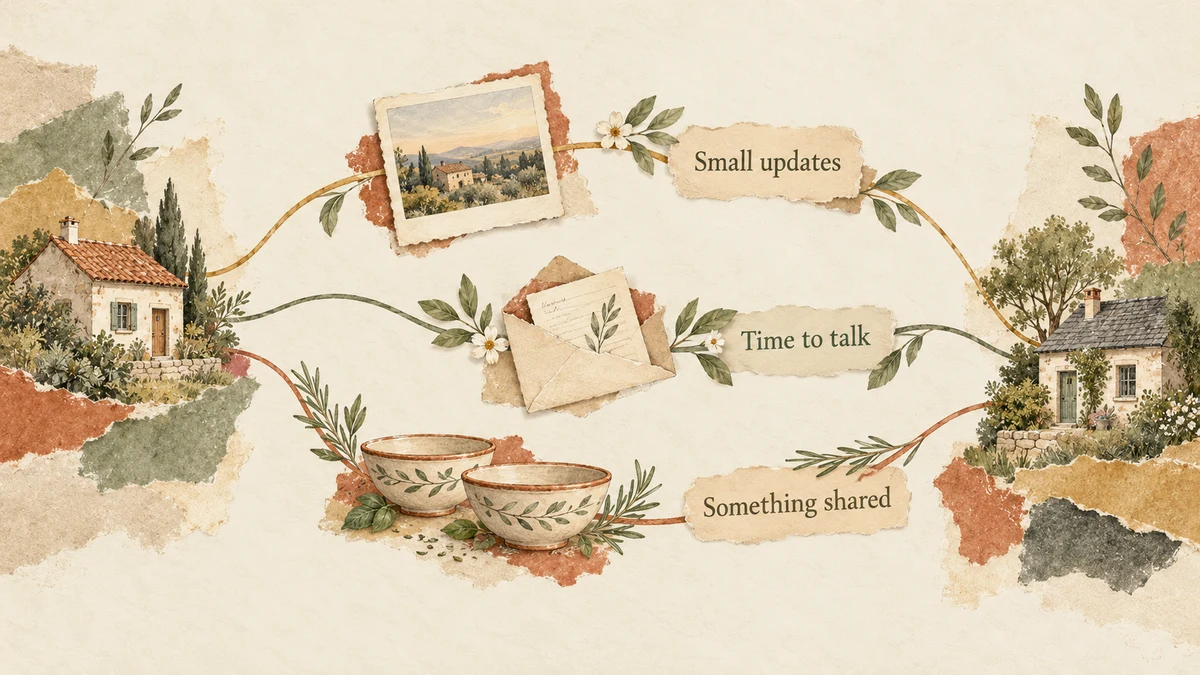
A useful arrangement has room for small updates, an occasional conversation with attention, and shared experiences. These serve different purposes: a photo can keep a moment alive, a call can make room for a complicated story, and doing something together can give you something new to talk about. None needs a compulsory frequency.
| Kind of contact | A manageable example | What to agree |
|---|---|---|
| Small updates | A photo of a new project or a short voice note | Is a reply expected, or is it simply something to enjoy? |
| Time to talk | A scheduled call with room to listen | How much time is available? Who suggests a replacement if it falls through? |
| Something shared | Reading the same book, cooking a recipe or playing an accessible game | Does it happen live, or can you compare experiences later? |
Choose the channels you already like using. Sending an elaborate parcel is not a higher form of friendship than remembering a difficult appointment and checking in afterwards.
Want to see yours?
Scan your palm for a full interpretive reading.


Place your palms here
Both palms, please: your left on the left, your right on the right.
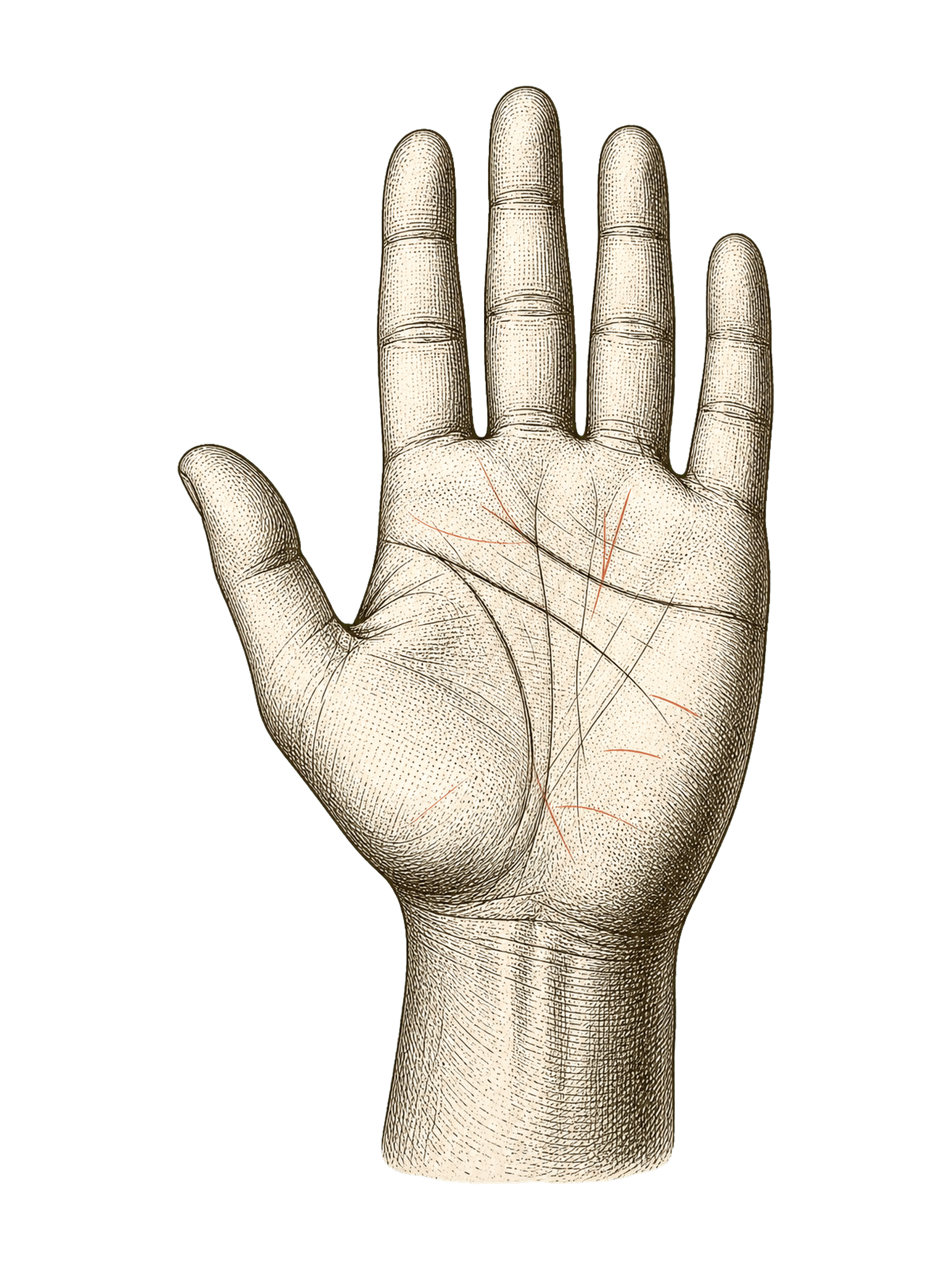
Add a photo

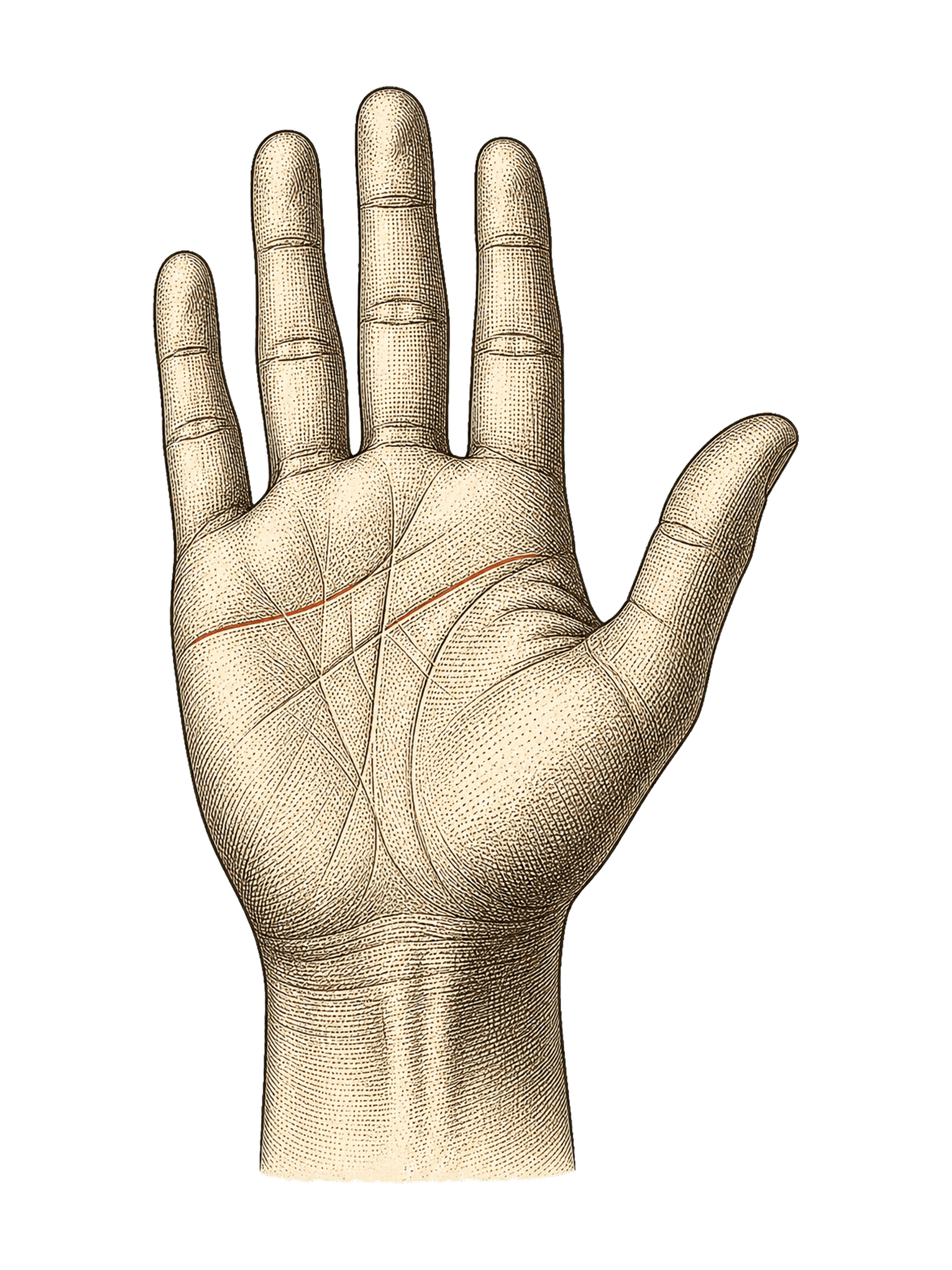
Add a photo
Required · 18 or older
Photo privacy · Refund terms ·Details
- Your photos are sent to our analysis provider to write your reading. This browser may temporarily keep pending photos for sign-in or recovery. Photos sent from your phone are kept temporarily for hand-off. See our privacy policy for details.
- When you press Read my palms, both photos go to our analysis provider for a clarity check before payment. This checks the photos, not the validity of a reading.
- Doesn't sound like you? Email us within 7 days of your first reading for a full refund, if you haven't used a second. If a photo can't be read, that reading is returned.
- Next: your reading uses one of your readings, or a short checkout if you have none.
Photo tips
 Photo tips
Keep your palm flat, fingers slightly apart and lines in focus. Use bright, even light, and photograph each palm the same way.
 ✓ Like this
 ✕ Too dark
 ✕ Fingers cut off
Schedule with both people’s local time visible
For friends in different time zones, choose a date and write the time in both locations. Include the city names. Check the conversion for that particular date, especially when daylight-saving changes are involved. Avoid assuming that the gap is always the same or that a time which works for you falls outside your friend’s workday.
When London is on Greenwich Mean Time, 10:00 in London is 18:00 in Singapore, which is eight hours ahead of GMT. Check the chosen date: London uses British Summer Time for part of the year, so the difference changes.
An invitation could say:
Would this Sunday work for a half-hour call? I’ll put both local times in the invitation once we choose a slot. If that day is difficult, send me a local-time window that suits you.
The half-hour is an offer of duration, not a recommended dose of friendship. Ask whether voice-only would be easier than video. If one person is consistently waking early or staying up late, look for a fairer arrangement or alternate who takes the inconvenient slot.
Make missed calls easy to repair
Decide what happens after a missed call before repeated rescheduling becomes its own source of hurt. A simple approach is for the person who cannot attend to send a message and suggest a new window. If their week is unpredictable, switch to asynchronous contact temporarily rather than repeatedly booking times they cannot keep.
I can’t make our call tonight. I’m sorry for the late change. I can offer Saturday afternoon or send a voice note this week if that suits you better.
If you were left waiting, say what happened without guessing at the reason:
I kept the evening free and didn’t know whether we were still talking. Next time, could you let me know when the plan changes?
A practical adjustment might be a confirmation message earlier that day. It is an agreement, not a test to see whether your friend remembers without prompting.
Share current life, not only old memories
A long-distance friendship can include the present even when you cannot visit. Explain a new colleague’s name, show the corner where you eat lunch or tell your friend why a small project matters. Ask about details they have already shared. You do not need a dramatic update to be worth talking to.
For a fuller conversation, ask what kind of attention would help: listening, ideas, distraction or celebration. A friend may want company rather than solutions. Our questions for friends include prompts that leave room to pass; they are a menu, not an interview to complete.
Visits need their own conversation about cost, accommodation, energy and expectations. If travel is not affordable or accessible, do not make it the condition for taking the friendship seriously. If you do visit, leave room for the life your friend has built where they are.
Discuss unequal effort without counting every message
If you keep initiating and feel lonely in the friendship, name that pattern and ask what participation is realistic. Equal care need not look like equal message counts. But a standing arrangement that leaves one person doing all the work deserves a conversation. Different capacity is something to discuss, not something you need to silently accommodate forever.
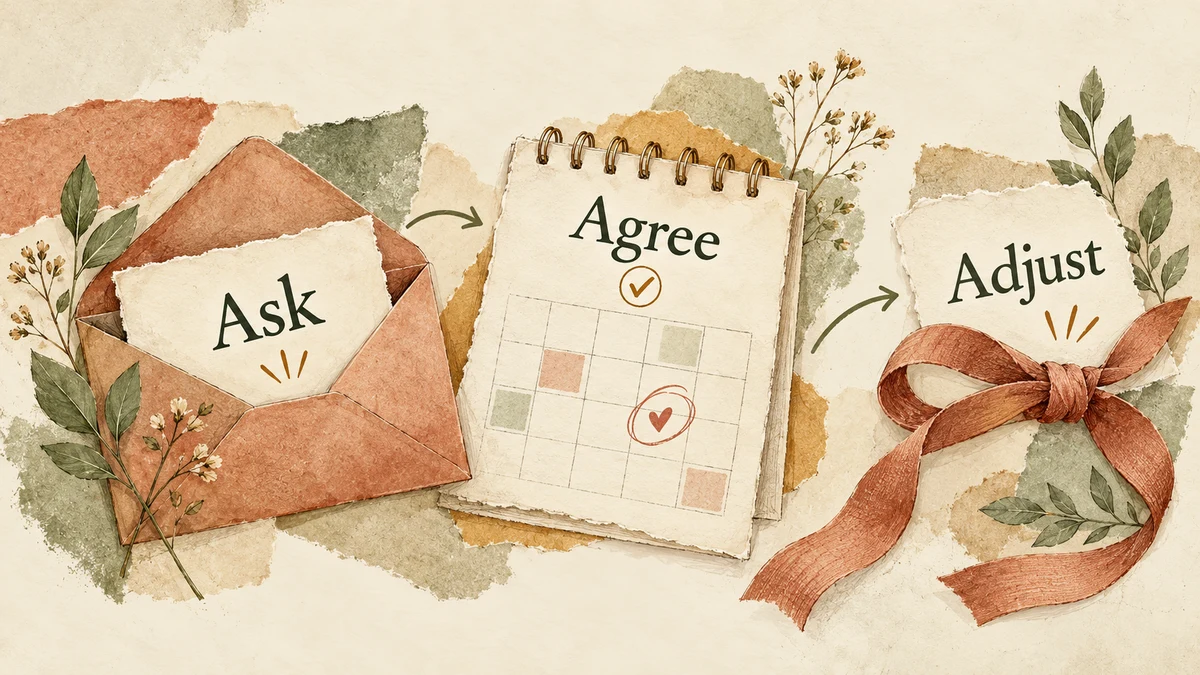
I’ve been arranging our calls, and I’m starting to feel uncertain about whether you want them. Would you like to choose the next time, or would another way of keeping in touch work better?
Listen to the answer. A friend who cannot manage frequent calls may still offer thoughtful contact in another form. If they repeatedly promise a change and leave you waiting, adjust what you reserve for the arrangement. Friendship reciprocity explores care across attention, initiative and practical help.
What research supports—and what it does not prescribe
Friendship maintenance involves effort, but research does not give every pair a universal contact schedule. Managing Relationship Decay followed personal networks across a major life transition and linked investment in friendships with less decline in relationship quality. Its sample and findings do not prescribe how often every long-distance friend should text or visit.
Use your own conversation to decide the schedule. If contact has lapsed, acknowledge the gap and make one warm invitation; you do not need to apologise for an entire season of life before saying hello.
If you are unsure whether distance is the whole explanation, why friends drift apart separates changing routines from conclusions about rejection.
You can enjoy PalmMingle’s interpretive palm readings as a self-reflection activity. A reading cannot measure the strength or future of a friendship. The more useful signal is what you both choose to make room for now.
Palmistry is an interpretive tradition, not a diagnostic tool. PalmMingle frames palm readings as entertainment and self-reflection, not prediction.